
Cultural Compatibility and Collaboration: Working with Indian Manufacturing Partners
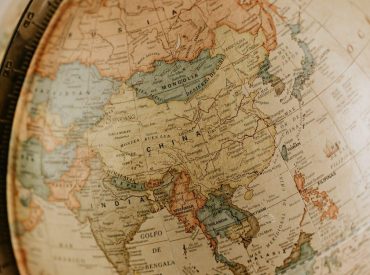
India, the world's largest democracy, has over a billion people, making it the number one country, surpassing China in terms of population.
The US, on the other hand, is the most powerful nation-state, home to over 300 million people, and has the largest global economy, valued at twelve trillion dollars in the same year.
When two such economic giants join together, especially in manufacturing, the potential for mutual expansion is enormous.
Despite being on different sides of the world, India and the United States are inseparably linked in today's globalised economy. Shared democratic values, as well as the widespread usage of English in official and business settings, facilitate cross-border communication.
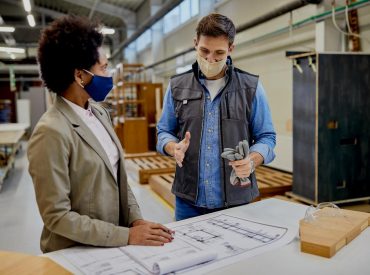
But sometimes some differences hinder the growth and scalability of the USA companies. So, understanding cultural differences is important for American businesses dealing with Indian manufacturing partners.
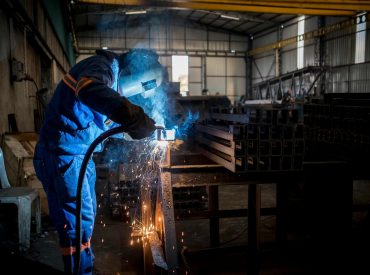
The manufacturing industry in India combines modern technological capabilities with traditional methods, which creates unique dynamics. Businesses may develop effective, productive partnerships if they respect India's rich cultural background, work ethics, and communication techniques.
Let us discuss how cultural compatibility and teamwork can pave the way for successful relationships with Indian industrial partners.
The rise of Indian manufacturing
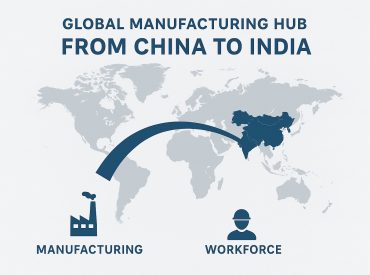
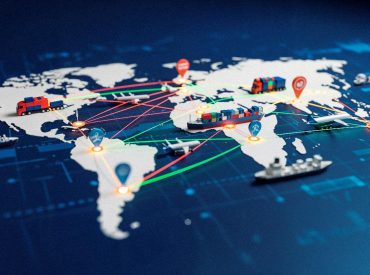
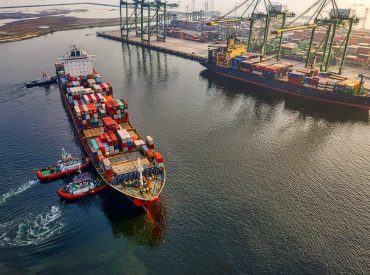
According to the survey of the Boston Consulting Group (BCG), more than 90% of respondents accepted that they had outsourced most of their supply chain to other countries in the past five years.
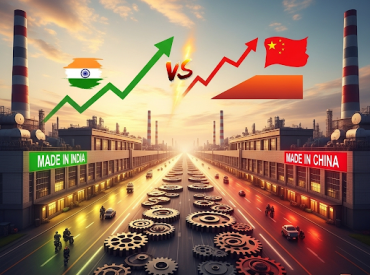
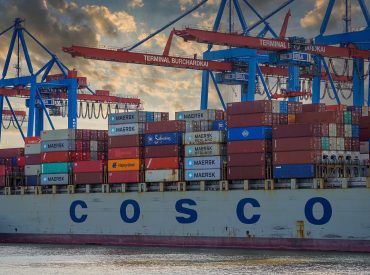
Between 2018 and 2022, US imports of commodities from China decreased by 10% in inflation-adjusted terms, while imports from Mexico and India increased by 18% and 44%, respectively.
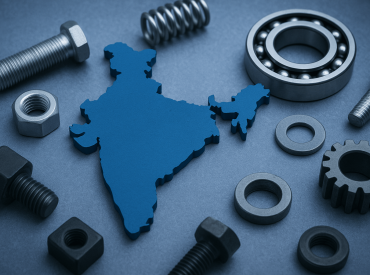
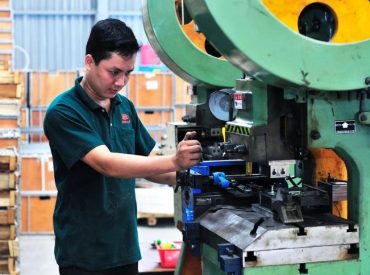
India's manufacturing sector, which was previously disregarded, is currently undergoing a substantial transition and is well-positioned to increase its part of the world market. With global tensions and people looking for alternatives, India's growing manufacturing power offers businesses a promising chance to diversify their supply chains.
Despite global constraints, this Indian industry has grown by an astonishing ~12% annually because of simplified compliance procedures and liberalised Foreign Direct Investment (FDI) rules. Due to continuous changes and regulatory simplification that improve corporate efficiency, exports have grown rapidly. An important turning point in India's industrial history, the "Make in India" campaign, which was introduced in 2014 with an investment of more than $25 billion, laid the groundwork for the current industry boom.
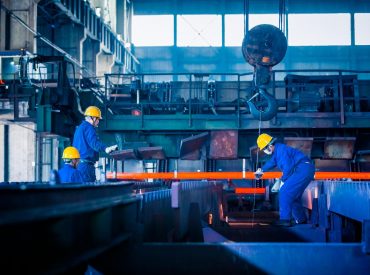
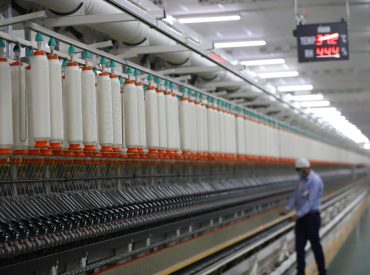
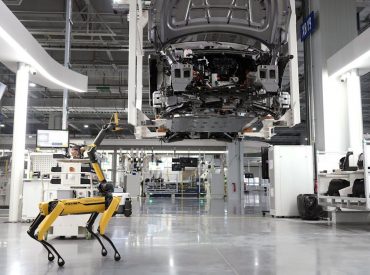
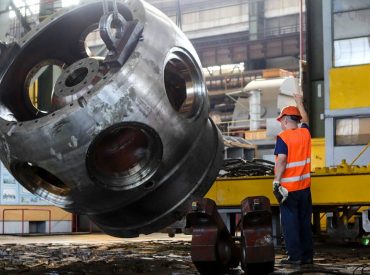
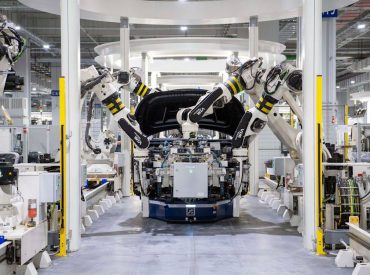
This industrial growth includes several sectors, namely textiles, automobiles, electronics, and pharmaceuticals. All these sectors have harnessed the benefits of simplified compliance processes, liberalised FDI policies, and strategic programs such as Make in India, which induce innovation and attract foreign capital. India keeps solidifying its status as a global manufacturing powerhouse, with each sector contributing significantly.
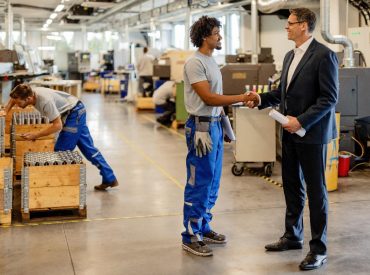
Building on this strong industrial base, maximising the potential of partnerships in the manufacturing sector and promoting productive collaboration requires an awareness of the differences in Indian workplace culture.
What must you know about the Indian work culture?
It is also interesting to note that the work culture in India is, in fact, very hierarchical, and hierarchy deeply sets into the mind of even making decisions. In many businesses in India, decisions are top-down and senior leaders play a pre-eminent role in approvals and strategic direction. This hierarchical structure may initially seem rigid to Western companies accustomed to flatter organisational models.
However, understanding and respecting this hierarchical dynamic is what makes interactions smooth and the outcome successful.
By recognising the importance of hierarchy in Indian work culture, Western companies can foster stronger relationships and achieve greater collaboration with their Indian counterparts.
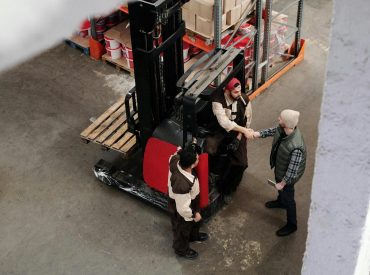
Besides that, Indian professionals have high-value relationships. They engage in meaningful conversation and build trust instead of stepping into the discussion related to business ventures. Relationship building may, therefore, form the basis for strong, long-term associations. Gestures as simple as taking the time to learn about another partner's background, and discussing informal conversations can create goodwill and deepen ties.
Cultural compatibility also extends to styles of communication. Indians widely use English in business but often rely on indirect communication, focusing much on the connotation as opposed to a simple denotation. A Western company should be prepared to interpret these differences and encourage open dialogue to reduce misunderstandings.
Lastly, when dealing with Indian teams, patience and adaptability are essential qualities. Adaptability and problem-solving, especially under trying circumstances, are highly valued in Indian workplace culture. By showing respect for these ideals, western companies can build mutual respect and close cultural divides.
Overall, by appreciating these cultural elements, western companies can align their cultural elements to make effective and long-lasting relationships with Indian manufacturers.
How does cultural compatibility benefit both Indian and Western companies?
While the work culture in both the USA and India can vary in different aspects, by understanding and patience, both companies can leverage various benefits, such as:
For Indian companies:
Improved global partnerships: Gaining a thorough understanding of Western business cultures can help collaborations run more smoothly, strengthen alliances and open up new markets.
Better communication: True business partnerships are based on good communication. Knowing what to expect of other cultures' communicative approaches may prevent the worst misunderstandings and foster trust between Indian and Western partnerships.
Attracting global talent: A culturally appropriate workplace can attract the world's best talent with diverse perspectives and potential to the organisation.
For Western companies:
Increased efficiency: By adhering to Indian customs and work habits, Western businesses can streamline operations and eliminate cultural stumbling blocks that often impede output.
Innovation and creativity: Cultural diversity promotes innovation and creativity. By integrating Indian cultural values and viewpoints, Western businesses can obtain new insights and build unique solutions.
Successful market entry: A deep understanding of Indian culture can assist Western companies in navigating the complex commercial landscape, developing relationships, and successfully entering the Indian market.
It is indeed this cultural compatibility that paints the bright picture of successful cross-cultural business relationships. Recognising and valuing cultural differences may depict mutual benefit in partnerships between Indian and Western companies.
The takeaway
To conclude, now that you know how important cultural compatibility is to elevate your business to the top level, you would not underestimate it. Instead, you will focus on how you can build a long-term relationship with an Indian manufacturing firm to expand or optimise your operations.
If you are looking for an Indian outsourcing firm to become a compelling partner on your path to success, look no further than Refteck. Refteck Solutions offers industrial engineering & procurement services to several well-known large-scale organisations in the process industry sector.
Get in touch with them today to learn more.

Post-pandemic Recove...

Oil and Gas Procurem...

Supporting Global De...
A Premier Engineerin...