
Key Challenges in Outsourcing Manufacturing and How to Overcome Them
In today’s globalized economy, outsourcing manufacturing has become a common practice for many businesses. But as efficient as it can be, you cannot ignore the outsourcing challenges that come along.
Whether you’re a small business owner or a large corporation, understanding and managing these challenges is important for smooth operations. In this article, you will understand the key hurdles businesses face in outsourcing manufacturing and provide practical strategies to overcome them.
Common Challenges in Manufacturing Outsourcing
Manufacturing outsourcing is not just a matter of reducing costs or concentrating on core competencies. In the bigger picture, it has its own set of problems that can influence quality, timelines, and overall success. Read ahead to get to know the most prevalent problems companies face
Supply Chain Outsourcing Issues
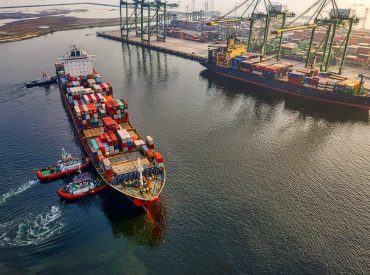
One of the largest outsourcing challenges with supply chain outsourcing is dealing with the complexity involved. Here are some of the hurdles:
- Delays: International shipping, customs, or production delays at the supplier level can interfere with your timeline.
- Miscommunications: Inadequate communication between vendors, suppliers, and your staff can cause miscommunications about deadlines or manufacturing specifications.
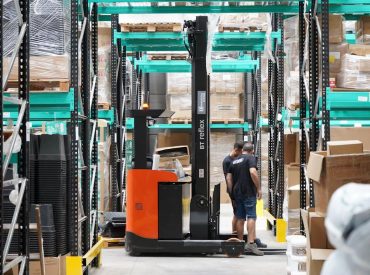
- Inventory Issues: It is hard to track inventory levels and have goods available when needed with an outsourced supply chain.
To dive deeper into it, solving these problems would need constant communication, transparent processes, and strategies for unforeseen disruptions.
Vendor Management Difficulties
Successful vendor management is important if you have decided to outsource your production. but you would see that picking the right vendor is tricky. In case you selected the wrong vendor, it could negatively affect your whole process.
There's also the concern about a lack of quality control. With insufficient control, your vendors won't consistently provide your expected quality and industry standard product.
Consequently, it will make the quality assurance tough to sustain. Furthermore, the vendors might increase prices or slip in additional fees into bills, taking away at profit margins and affecting general business finances
Challenges in Contract Manufacturing
In the case of contract manufacturing problems, the ambiguity in contracts can cause serious issues. Some of the problems that businesses come across are:
- Ambiguous Contract Terms: Vague terms can cause misunderstanding and conflict in the future.
- Scope Creep: The scope of work over time can change without renegotiation, resulting in unforeseen costs or delays.
- Inconsistent Quality: If the supplier is not meeting agreed standards, it can lead to low-quality products and harm to your brand reputation.
Risk Mitigation in Outsourcing
Outsourcing manufacturing comes with several risks that could potentially disrupt your operations. These risks mitigation in outsourcing include:
- Intellectual Property Issues: Disclosing proprietary processes or designs to outside vendors puts your business at risk of IP theft.
- Geopolitical Risks: Offshoring to politically or economically unstable countries may cause abrupt breaks in production.
- Supply Chain Disruptions: Disasters, labor disputes, or logistical delays may impact your ability to bring products to market on scheduled time.
So, what should you do about these risks? Active risk management is the solution. By anticipating problems, you can implement plans to mitigate exposure and move your business ahead.
Strategies to Overcome Outsourcing Challenges
Now that you have explored the challenges, it is time to look at actionable strategies to mitigate these issues and make outsourcing work in your favor.
Effective Vendor Selection and Management
Choosing the right vendor is the key to sidestepping a lot of the typical issues with outsourcing. Begin by doing some research look at their reputation, history of work, and financial health. You need to ensure they can actually produce what you require.
After selecting a vendor, you should make it a point that there is open communication. You should be clear on expectations, timelines, and quality requirements right from the beginning. Periodic checks can ensure that everything runs according to plan and avoid misunderstandings and contract manufacturing issues.
Finally, focus on building long-term relationships. If you trust each other, your supplier will be willing to go that extra mile in order to deliver your needs. Additionally, robust relationships can lead to better outcomes and smoother running in the long run.
Utilization of Effective Supply Chain Management Practices
A good supply chain is the key to successful outsourcing. First of all, you need to ensure that you carry out regular checks on your suppliers. This will help ensure that they are holding up to a standard that you expect and meet deadlines for delivery.
Second, you should consider using software for the supply chain and vendor management in order to keep up to date and enhance coordination between yourself and your team.
Going forward you will have to have alternative plans ready to go, including additional suppliers or alternative shipping lines, in the event that things do not work out. With proactive planning, companies can avoid delays and ensure business continues to flow.
Plan Clear Contracts & Risk Mitigation
Clear contracts and a solid risk mitigation plan are essential for successful manufacturing outsourcing. Here’s how to approach both:
| Area | Actionable Steps |
|---|---|
| Clear Contracts | Be specific with deliverables and timelines. |
| Plan for scope changes. | |
| Review and update regularly. | |
| Risk Mitigation | Assess risks like political instability. |
| Have backup plans. | |
| Work with multiple suppliers. |
Best Practices for Successful Manufacturing Outsourcing
Manufacturing outsourcing can make operations more streamlined, but only if challenges are properly managed. Here's the way to do it:
Track Vendor Performance: Make it a routine to assess performance to prevent vendor management issues. Consider monitoring quality, timelines, and expenses to detect problems beforehand.
Use Technology for Efficiencies: Embrace supply chain outsourcing software to enhance communication and eliminate delays, making overall efficiency better.
Speak Clearly: Make it a point to establish strong expectations up-front and maintain frequent communication to avoid outsourcing problems because of miscommunication.
Maintain Vendor Relationships: Focus on having strong and trustworthy relationships with suppliers to minimize contract manufacturing problems and enhance quality.
Afterword
Outsourcing your production provides immense opportunities. But with it comes one of a kind challenges too. By putting more focus on the important areas such as vendor management and open communication, businesses can prevent risks for smooth operations further.
Want to enhance your outsourcing strategy? Contact us today! At Refteck, we can assist you in optimizing your manufacturing processes and overcoming common challenges!

Post-pandemic Recove...

Oil and Gas Procurem...

Supporting Global De...
A Premier Engineerin...