
Risk Mitigation in Outsourcing: How Manufacturing in India Lowers Business Risks
Outsourcing has become one of the most popular and effective business strategies, offering companies the ability to tap into global talent pools, reduce operational costs, and enhance productivity. India, with its growing expertise and infrastructure, has emerged as a top destination for outsourcing across industries, particularly in manufacturing. Leading outsourcing companies in India adhere to strict quality standards, ensuring that the services and products they deliver meet or even surpass client expectations.
However, while outsourcing offers a plethora of advantages, businesses must also be mindful of the potential risks involved.
Companies need to identify, understand, and effectively address these risks to fully reap the rewards of outsourcing.
So, let’s dive in to explore the risks:
Risks Involve in Outsourcing
Outsourcing can be a game-changer for many companies, but it has its fair share of challenges. Failure to understand the pitfalls involved in venturing into the outsourcing arena may lead to setbacks rather than progress.
Here's a snapshot of the top 7 risks businesses face with outsourcing:
- Economic risk: We are in a time where we see wars happening between nations, which result in traide restrictions and give rise to economic fluctuations. Fluctuations can be risky for outsourcing companies, as rates keep changing, and expenses can suddenly shoot through the roof, throwing off budget forecasts and making it harder to hit financial goals.
- Political risk: While India offers numerous advantages for manufacturing, including a skilled workforce and favourable economic policies, political factors can let operations. These risks include sudden changes in government regulations, labour unrest, geopolitical tensions, and corruption.
- Data Privacy and Security: Sharing sensitive business information with an outsourcing partner increases the risk of data breaches and privacy violations.
- Hidden and Unseen Costs: Outsourcing is perceived as saving money, but there are hidden costs of currency fluctuation, unexpected tariffs, or additional administrative charges that can blow the costs out of proportion pretty fast.
- Over-Reliance on Providers: Overreliance on an outsourcing provider is also a risk. Sudden increases in prices or when the company goes bankrupt expose your business operations to potential risks and vulnerabilities.
- Quality Control Challenges: Maintaining consistent quality can be difficult when tasks are handled externally. Differences in standards, practices, or understanding between your company and the outsourcing partner may result in subpar deliverables or misaligned expectations.
- Operational Disruptions: Outsourcing can sometimes lead to miscommunication, time zone challenges, and delays in decision-making, all of which can hinder seamless business operations.
Steps Manufacturing in India Lowers Business Risks
A solid understanding of outsourcing: The first and most important thing for any outsourcing manufacturing services or other services is to have a team of skilled professionals with a solid understanding of outsourcing. Having in-depth details of the process is necessary to minimise the risks and vulnerabilities that come with it, including everything from the operational effects of third-party failures to the reputational effects of poor work standards.
The availability of great outsourcing companies opens new opportunities for manufacturing firms. Many are capitalising on this benefit by outsourcing the production of certain parts to outside vendors, mainly tasks that would be very costly to budget in-house. When outsourced properly and planned for, businesses can align their needs with the service of outsourcing providers. This strategic approach lowers costs while stimulating innovation, creating avenues for long-term growth and competitiveness.
On the other hand, Losing control over outsourced management results in greater regulatory scrutiny, diminished reputation, and negative consumer feedback for the organisation.
Developing a Risk Management Framework: A well-reputed manufacturing unit in India is aware of the ins and out of the business they're in. That means they are prepared to tackle the risks also. And for that, they do the following tasks:
- Risk Management Policy: Develop an official risk management policy which clearly explains what the organisation is doing to manage risk, to include roles and responsibilities as well as procedures.
- Risk Management Plan: Produce an explicit risk management plan outlining the elements that will be included in a strategy for identification, analysis, mitigation, and monitoring. The plan should be aligned with organisational goals and objectives.
- Risk Management Team: A dedicated risk management team should be established to oversee the risk management activities and ensure the effective implementation of mitigation strategies.
Monitoring and Reviewing Risks: Setting up a risk management strategy is only the beginning; ensuring it yields results requires ongoing monitoring and regular reviews. No risk management practice is a one-and-done situation - it is dynamic, and staying ahead of what could threaten your organisation requires ongoing attention. Here's how to keep your risk management strategy on track:
- Regular Risk Reviews: To ensure a risk management framework and risk mitigation strategies remain effective, they should be reviewed regularly. The framework should then be amended following a change in operations or external circumstances.
- Risk Monitoring Systems: Strong monitoring is very essential and its implementation helps identify risks in early stages and even in detail. The system allows tracking of key risk indicators that can find potential issues before growing into a bigger problem.
- Feedback and Improvement: Some of the best ways to enhance the risk management process are through key stakeholder feedback and lessons learned during past risk events. Through soliciting inputs from numerous teams, you can identify areas that need improvement and accordingly adjust your strategies with insights into learning. Your practices, therefore, keep changing, becoming ever more relevant and effective over time. With each review and iteration, you’ll improve your ability to manage future risks, enhancing your overall resilience.
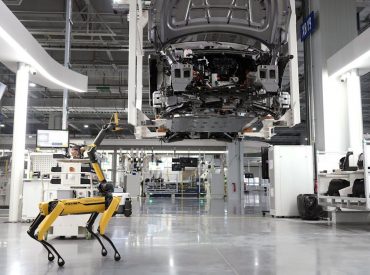
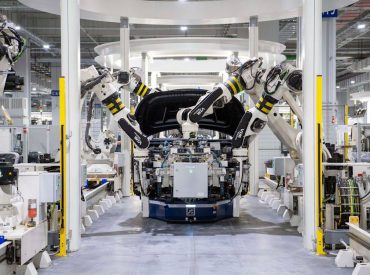
Technology and Innovation Integration: Another reason big companies from all around the globe are turning to India for outsourcing manufacturing is the proactive approach of companies to use the latest technology to reduce the risks.
The adoption of Industry 4.0 technologies include:
- Automation
- Robotics
- Artificial intelligence and more
These technologies have allowed manufacturers in India to improve efficiency, precision, and scalability.
Automation reduces human error, reducing the risk of production delays or defects. Moreover, Indian manufacturers are increasingly integrating IoT (Internet of Things) for real-time monitoring, which provides transparency and helps identify potential production issues before they become significant risks.
Bottom Line: Outsourcing can be a boon for businesses, but it has its pitfalls. Understanding the potential risks and how organisations manage them by implementing the above-listed strategies while ensuring their interests are always safeguarded.
When it comes to risk mitigation, Refteck always stays at the forefront of applying new strategies to managing things and helping businesses lower risks. Want to know in detail what strategies our experts follow and how they will work perfectly in your favour? Call us now!

Post-pandemic Recove...

Oil and Gas Procurem...

Supporting Global De...
A Premier Engineerin...