
Reducing Carbon Footprints: The Rise of Green Manufacturing in India
At COP26, 2021, India marked another significant step forward in the battle against climate change by announcing its ambition of becoming a net-zero emitter by 2070.
India emits a net 2.9 GtCO2e annually as of 2019, with very low per-capita emissions of 1.8 tons of CO2.
And the majority of this emission is made by the Manufacturing industry of India, as it is one of the fast-changing sectors in the country.
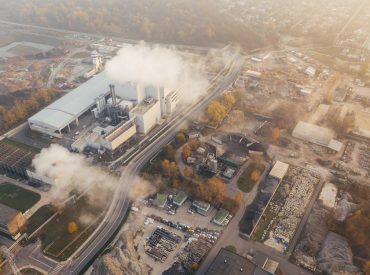
Beside its significant impact towards the process of industrialisation, this sector also has a significant contribution to the environmental impact of the country. This is because the manufacturing sector contributes to nearly 25 per cent of the country’s total greenhouse gas emissions. This statistic goes a long way in proving that there is a need for the sector to embrace green manufacturing.
The relieving news is that India is adopting sustainable manufacturing practices and reducing carbon footprints.
How India Reducing Carbon Footprints
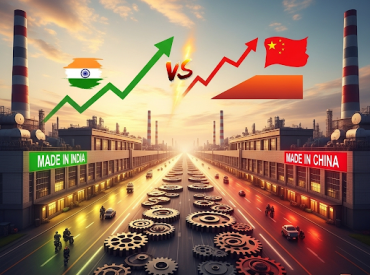
Production Innovation: India has set big goals to become an example for the world. Make in India initiative has a great role in boosting manufacturing industries and also has given the confidence to come up with unique and sustainable product innovations and eco-design to deal with minimisation of the effect on the environment from the product’s conception to its disposal. In addition, companies are increasingly interested in using local, sustainable sources as a means of saving dollars and decreasing transportation pollution.
Therefore, these eco-design principles guide manufacturers to develop products that would meet the demand in the market with such aspects of sustainability contributing to lower impacts on the environment. This also links up with efforts to build a sustainable economy; simultaneously, it gives companies more leverage over competitors.
Renewable energy sources in manufacturing: India's manufacturing industry is expanding, and it is expected to grow in the coming years. This continuous growth demands sustainable practices and a reduced carbon footprint.
This is where the idea of using renewable energy sources comes from. As India continues to grow, its rapid consumption of coal, oil, and natural gas has become a cause for concern as these resources contribute immensely towards pollution. Using renewable energy sources presents opportunities for an even greener manufacturing sector and allows companies to reduce their carbon footprint. Renewable energy sources include biomass, green coal, and solar power, which can guarantee energy supply for the manufacturing process.
For instance, Tata Motors, an Indian-based automotive giant, has been at the forefront of such initiatives. The company has implemented various efforts to adopt renewable energy, including installing solar power stations in some of its production units. Interestingly, the automaker has set up a solar power plant at the Pune plant that has helped reduce dependence on conventional power and brought down the plant's carbon footprint.
Waste Management:
Most of the problem comes from the mismanagement of waste. For instance, we see waste outlines from most of the manufacturing industries going into big rivers in India like Yamuna, polluting water and, as a result, the quality of life of people nearby. However, companies have slowly realised their responsibility (not all) and adopted practices of reducing waste, implementing circular economy strategies, and following sustainable manufacturing.The old linear model of business, in which the company extracts products and disposes of waste, is gradually being phased out by the circular economy model. This model helps reduce waste and recycle most resources within the production process to make the manufacturing process greener. Apart from helping minimise the impact on the environment, this approach also helps realise cost savings through resource-use optimisation. Therefore, waste minimisation and circular economy strategies help manufacturers considerably improve both environmental and economic performance.
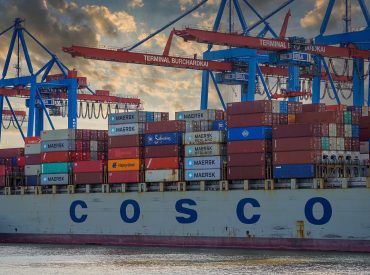
Green Supply Chains:
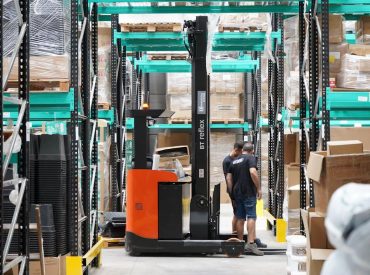
The supply chain is a crucial and integral part of the manufacturing industry. It forms the backbone of the manufacturing industry, linking raw material procurement, production, logistics, and final product disposal. In recent years, Green Supply Chain Management (GSCM) has emerged as a transformative approach, blending environmental sustainability with traditional supply chain operations. By integrating eco-friendly practices at every stage, GSCM not only minimises the environmental impact but also enhances resource efficiency, compliance, and long-term sustainability.Real-World Application: Mahindra & Mahindra:
A notable example of GSCM in action is Mahindra & Mahindra, an Indian multinational known for its diverse product portfolio. The company has implemented robust green supply chain initiatives aimed at reducing its environmental footprint.- Supplier Engagement: Mahindra conducts sustainability audits of its suppliers, encouraging them to reduce emissions, minimise waste, and transition to renewable energy.
- Collaborative Growth: Post-audit, the company partners with suppliers to improve its sustainability index, aligning them with Mahindra’s green strategies.
- Holistic Impact: This approach ensures the entire supply chain supports the company’s sustainability goals while fostering growth and innovation.
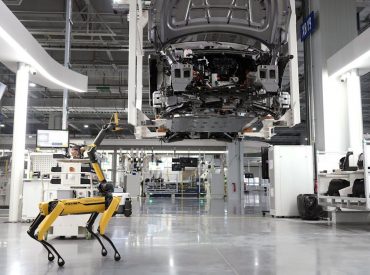
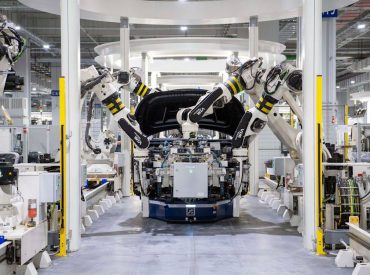
Embracing new technologies: Technology can play a huge role in reducing the carbon footprint of big manufacturing hubs.
Technology is emerging as a transformative ally in the pursuit of sustainability, especially in large manufacturing hubs. With India positioning itself to become a global leader in manufacturing, the marriage of cutting-edge technology with sustainable practice will accelerate economic growth while reducing carbon footprints. Here is how emerging technologies are reshaping manufacturing for a greener future:
- Industrial Internet of Things (IIoT): IIoT platforms can help build a connected manufacturing environment where key Sustainability KPIs are measured in real time. Manufacturers can also decrease or even eradicate their carbon footprint using IIoT. For instance, by predicting equipment failures, IIoT can minimise unplanned downtime, reducing energy consumption and material waste.
- Cloud: This element of technology would aid entities in accelerating the building of digital twins in the manufacturing process. This would minimise waste generation and enhance reuse.
- Blockchain: This would enable the minimisation of waste and the capture of the sustainability metrics maintained by an entity from the beginning to the end of manufacturing activity.
Embracing technology isn’t just a step toward modernisation - it’s a leap toward a sustainable future. And India is leading this trend by infusing advanced digital tools into manufacturing processes. Through this synergy, India can achieve its ambition of leading the global manufacturing sector while championing the cause of sustainability.
The rise of The Rise of Green Manufacturing in India is not all of sudden. It is a result of continuous efforts by the government and businesses.
With the combined effort of both, the industry is expected to boom in the future. To be a part of this sustainability, Refteck always try to be at the forefront, whether it is about sustainable outsourcing or manufacturing.

Post-pandemic Recove...

Oil and Gas Procurem...

Supporting Global De...
A Premier Engineerin...