
Key Performance Indicators (KPIs) Every Procurement Professional Should Track
In procurement, tracking the right metrics is vital for success. Key Performance Indicators (KPIs) give clear insights into how well processes are working and where improvements can be made. These metrics help procurement professionals make data-driven decisions that align with business goals. However, with so many factors to consider, it can be challenging to know which KPIs matter most. In this article, you will read about the key KPIs every procurement professional should monitor. By focusing on these key areas, teams can drive better outcomes and improve efficiency to contribute to business growth.
Why Procurement KPIs Matter: A Brief Overview
Prior to going into details, let's first understand why procurement KPIs are necessary. These provide procurement teams a way of assessing the effectiveness of their activities, aligning strategy with corporate objectives, and pointing out where to improve. In addition, clearly established KPIs enable procurement teams to track supply chain metrics like supplier performance and cost savings. This helps businesses maintain market trend awareness, mitigate possible disruptions, and optimize procurement procedures.Top Procurement KPIs to Monitor for Optimal Supply Chain Performance
To stay competitive, procurement professionals need to keep an eye on the right KPIs. Tracking these key numbers assist in improving operations, save costs, and build stronger supplier relationships.Cost Efficiency: The Heart of Procurement KPIs
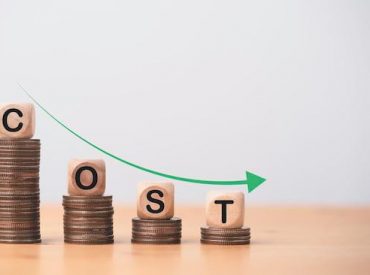
One of the most critical procurement KPIs is cost efficiency. Monitoring this metric helps businesses ensure that they’re getting the best value for their money while maintaining high quality goods and services. Here’s how you can focus on cost efficiency:- Track the cost savings achieved through vendor negotiations and contract management.
- Compare actual procurement costs against budget forecasts to spot discrepancies.
- Identify cost-reduction opportunities by analysing supplier pricing trends.
Supplier Performance and Reliability
Supplier performance is another key area to focus on because suppliers are the backbone of your procurement process. Hence it becomes more important to understand how well they’re performing. Key metrics in this area include the following: On-time delivery rate- How often do suppliers deliver orders on time? Quality compliance rate- Are the products delivered as per the required specifications? Supplier lead time- How quickly can suppliers fulfill orders, and does it align with your needs? Order accuracy- Are the correct items being delivered in the right quantities and with no mistakes? Supplier flexibility- How well does the supplier adjust to changes in demand, last-minute orders, or unexpected disruptions? Improving supplier performance helps reduce delays, lower costs, and build stronger, more reliable partnerships. By tracking these metrics, you can identify underperforming suppliers and address issues before they impact your business.Procurement Analytics: Gaining Insights for Strategic Decisions
Procurement analytics entails applying data to make sense of buying behaviors, trends, and performance. Procurement professionals are able to monitor a range of key metrics with the help of advanced analytics tools, as the following:- Spend analysis: Understanding where the company’s money is being spent, and on what products or services.
- Purchase order cycle time: How long does it take to complete a purchase order from request to delivery.
- Order accuracy rate: The percentage of orders delivered without any errors.
Supply Chain Metrics: How Procurement Impacts the Bigger Picture
Procurement doesn’t exist in a vacuum, it plays a significant role in the larger supply chain. Supply chain metrics measure the flow of goods and services, and procurement professionals should monitor these metrics to ensure everything runs smoothly. Key supply chain KPIs include: Inventory turnover rate: Tracks how often inventory is sold and replaced over a set period, helping to optimize stock levels. Stockout rate: Measures how often the company runs out of stock as this can disrupt production and sales. Order fulfillment rate: Represents the percentage of orders completed accurately and on time, ensuring customer satisfaction and reducing delays. Supplier capacity: Assesses a supplier’s ability to meet fluctuating demand and scale operations to prevent supply chain disruptions. By focusing on these metrics, procurement can streamline operations and improve overall supply chain efficiency. This, in turn, helps in reducing costs and preventing shortages.Procurement Cycle Time: Efficiency in Action
Another important procurement KPI is procurement cycle time, which measures the time between requesting a purchase and receiving the goods or services. It is important to monitor key supply chain metrics for effective procurement. Inventory turmover rate guarantees the right level of stock, while the stockout rate avoids production disruptions. The order fulfillment rate measures the timeliness and accuracy of orders, which directly affects customer satisfaction. Also, monitoring the capacity of suppliers prevents bottlenecks. Furthermore, these measures focus companies on optimizing procurement and cutting costs which results in improving overall supply chain performance.Compliance and Risk Management in Procurement
Procurement professionals need to establish the compliance with regulations, industry standards, and internal policies. Non-compliance can lead to costly penalties and disruptions. To stay on top of this, track the following metrics:- Contract compliance rate: How often are contracts adhered to, and what percentage of contracts meet agreed terms?
- Regulatory compliance rate: Are all purchases made in line with local and international regulations?
- Risk mitigation strategies: How well does procurement manage risks, such as geopolitical issues or supplier disruptions?
Winding Up
Monitoring the appropriate procurement KPIs is critical to enhancing procurement performance, cost savings, and supply chain management. From cost savings and supplier performance to procurement analytics, these metrics help procurement professionals to make informed decisions. By having the appropriate KPIs in place, businesses can optimize their procurement strategies, strengthen their supplier relationships, and deliver long-term success. Ready to take your procurement strategy to the next level? Start tracking your KPIs today and unlock the full potential of your procurement process. Need help? Reach out to our team of experts at Refteck to learn how we can simplify your procurement operations.
Post-pandemic Recove...
Apr 6, 2021

Oil and Gas Procurem...
Apr 25, 2021

Supporting Global De...
Jun 7, 2021
A Premier Engineerin...
May 20, 2022

A Comprehensive Guid...
May 24, 2022