
How India’s Manufacturing Industry is Fueling Global Innovation
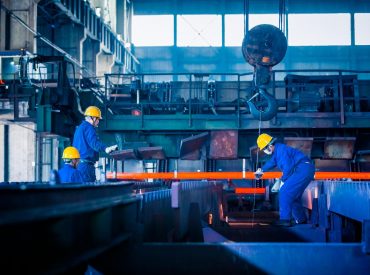
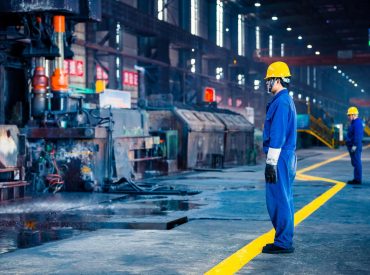
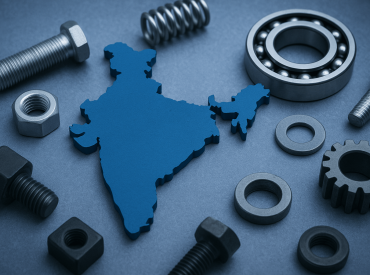
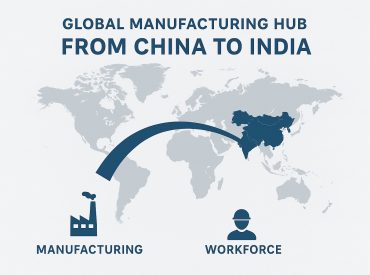
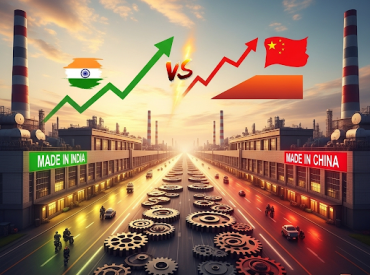
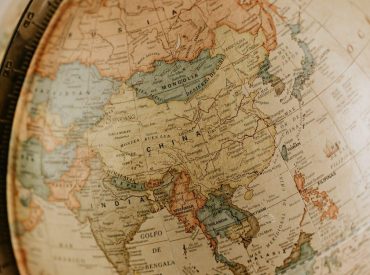
The government of India is putting much-needed effort into making India a global manufacturing hub.
Prime Minister Narendra Modi introduced a massive project called “Make in India” on 25th September 2014. Since the project was initiated, it has not only been a government programme but also a wake-up call that changed how the world perceives India and its economy.
Since then, the manufacturing industry has undergone a technological revolution.
Reasons Behind India’s Manufacturing Industry is Fueling Global Innovation
Driving R&D and Product Innovation
India is a hub for research and development (R&D), particularly in fields like pharmaceuticals, textiles, electronics, and space. The world saw how the entire nation and even Prime Minister Modi were there at the time of Chandrayan 2 landing to boost scientists. Unfortunately, mission managers lost contact with the lander - seconds before touchdown - just 2 kilometers from the moon's surface. On the other hand, the pharmaceutical industry, for example, is a leader in producing generic drugs, making healthcare more accessible globally. Similarly, the textile and apparel industry innovates with new materials and sustainable fabrics.
The country’s growing R&D investments allow manufacturers to push boundaries in product design and functionality, driving innovation worldwide.
Adoption of Industry 4.0 technologies
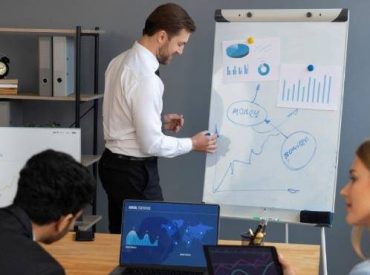
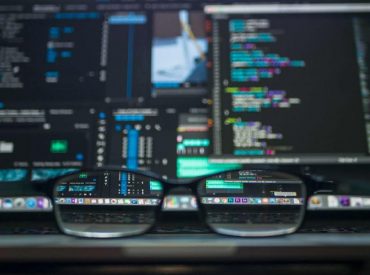
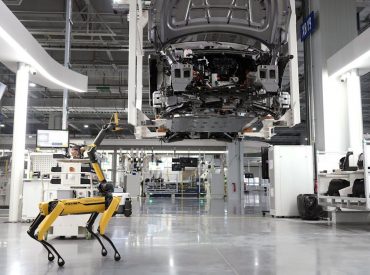
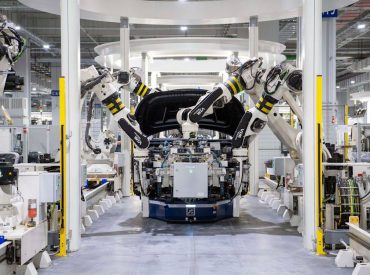
The advent of Industry 4.0 is reshaping the fabric of Indian manufacturing. Technologies such as Artificial Intelligence and the Internet of Things come into the picture, along with data analytics, as enablers for optimum operations. AI-based predictive maintenance minimises equipment downtime by analysing predictions about failures, while IoT-enabled sensors enable real-time factory monitoring, which further drives operational efficiency.
Interestingly, the Indian government has been instrumental in creating this change through programs such as the PLI scheme. This program aims to incentivise the adoption of cutting-edge technologies, making the manufacturing ecosystem globally competitive and tech-driven. This is most prominent in the emergence of smart factories and how human and automated systems develop seamless synergies, culminating in unprecedented productivity and precision.
Risk Taking Ability
India is a developing nation, but the enthusiasm of Indian entrepreneurs and business owners is unmatchable.
The passion they have leads them to new heights. They aren't shy to take risks.
Additionally, they are at the forefront of using new technology, whether AI, Robotics, or more.
This is one of the biggest reasons India's Manufacturing Industry is Fueling Global Innovation.
Shift Towards Local Innovation
Vocal for local, we have been listing this slogan for the last few years. And the reality is that this slogan has become India's biggest strength.
The government's support to local or small businesses boosts people to develop new ideas and eco-friendly innovations and make the Earth a better place to live.
This is supplemented by growth in resident filings in India, specifically in patents and trademarks. While multinational corporations have traditionally dominated global IP filings, India's rising resident filings reflect a maturing domestic innovation ecosystem backed by the Atmanirbhar Bharat campaign. More Indians are applying for patents and trademarks to protect inventions and products and create an asset to enhance their competitive edge in domestic and international markets.
Skill development program

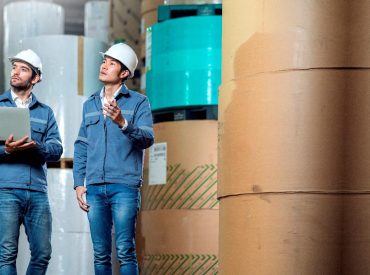
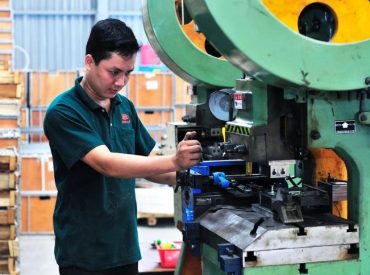
India seeks to make its countries great by subsidising and investing heavily in manufacturing and improving employees' skills.
These programs are designed to bridge the gap between the skills required by employers and those available in the labour force.
A skill development program aims to:
- Enhance technical and soft skills in various fields such as technology, manufacturing, healthcare, marketing, and more.
- Increase employability by equipping individuals with the relevant skills that match industry demands.
- Foster lifelong learning to adapt to changing job requirements and technological advancements.
- Promote entrepreneurship by developing the skills needed to start and run a business.
- Improve productivity and performance across industries by honing both hard and soft skills.
Enhanced Supply Chain Resilience
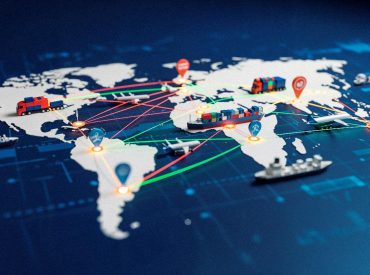
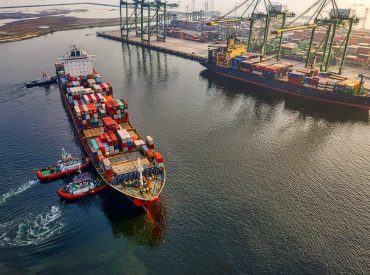
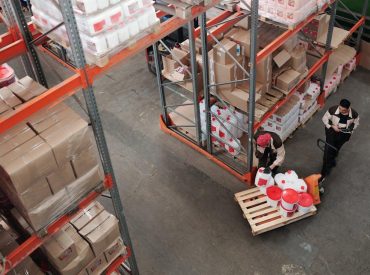
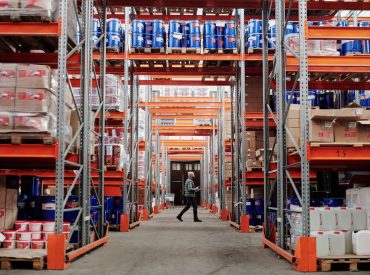
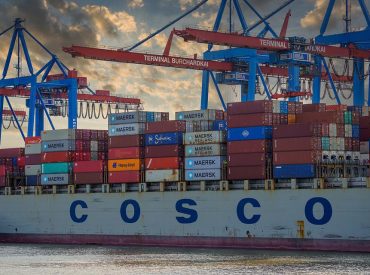
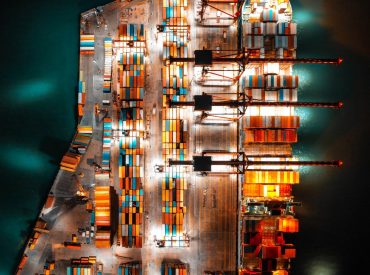
India’s manufacturing industry played a crucial role during the global disruptions caused by the COVID-19 pandemic. By diversifying production and leveraging digital tools, India helped stabilise supply chains globally. The country’s flexible and resilient manufacturing infrastructure has helped companies around the world secure their supply chains, contributing to more reliable and innovative solutions in industries ranging from automotive to electronics.
Collaborations and Global Partnerships
India’s manufacturing sector is increasingly becoming a hub for global collaborations. Companies from other countries, such as the US, Japan, and Germany, are coming together with Indian manufacturers to form joint ventures, research, and develop products. This idea of knowledge and resource trading promotes innovation not only in India but around the globe as companies begin adopting new methods and insights initiated by their Indian counterparts.
Key Sectors Driving Innovation
Several key sectors are driving innovation in India's manufacturing industry:
- Electronics Manufacturing: India is now very rapidly emerging as a global electronics manufacturing hub, with big companies, including Apple, Samsung, and Xiaomi, beginning to set up production facilities in India. Not to mention the government's PLI schemes have also provided huge incentives that have really kick-started domestic manufacturing of electronic components and devices.
- Automobile Industry: The Indian automobile industry is passing through a sea change. Electric vehicles and autonomous driving technologies are the focus, with a push from the government, predominantly due to increased demand for green transportation solutions.
- Pharmaceuticals: India dominates the pharmaceutical sector globally and is capable of making generic drugs. It also invests in research and development to develop novel drugs and medical devices.
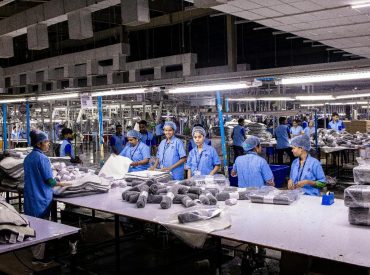
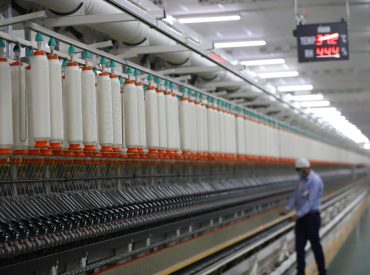
- Textiles and Apparel: India's textile and apparel sector is employing technology for better efficiency, higher quality, and more sustainability. It is also in value-added products and high-end fashion.
As India is taking steps toward becoming the world leader, the manufacturing sector has a huge role to play.
The world also sees us with the hope that, by already fueling global innovation, India will open new opportunities for the world.
And with our aim to make lives of business hassle-free, Refteck is playing its role quite impressively.
So, contact us today to learn how we collectively work with our clients to take our manufacturing industry to new heights.
Post-pandemic Recove...

Oil and Gas Procurem...

Supporting Global De...
A Premier Engineerin...