
How India Outshines Other Manufacturing Destinations in Nearshoring and Offshoring
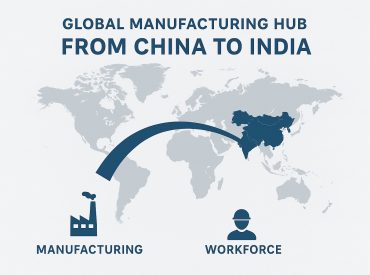
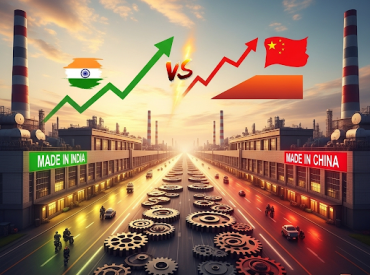
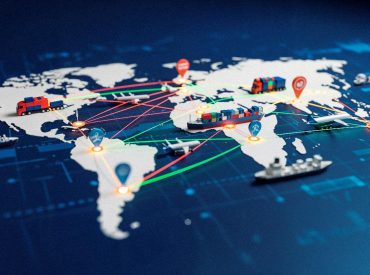
In today's global economy, businesses are always seeking ways in which they can raise their efficiencies and reduce costs. And this is where the outsourcing manufacturing strategy benefits them. Approximately 70% to 80% of global manufacturing processes are outsourced, driven by factors such as reduced labour costs, access to a skilled workforce, and alignment with digital advancements. But, here comes the question: should you nearshore or offshore your manufacturing? Nearshoring refers to moving business activities toward neighbouring countries. In this case, the Indian company outsourced the customer service department to Nepal, which then is nearshoring. Conversely, offshoring is the relocation of business services to a nation that is relatively farther away, for instance, just like how Apple, located in the United States, moved its production of iPhone to India. While both involve moving business operations to another country, there are some key differences to keep in mind. Understanding these differences is essential when deciding which strategy is right for your business. So, let's dive in to learn the difference in detail, and moving forward, we will learn Why India Outshines Other Manufacturing Destinations.
However, both nearshoring and offshoring have their own set of benefits that businesses worldwide enjoy. However, when it comes to outsourcing manufacturing, India has become the preferred choice for nearby and far nations like the USA. And below are the reasons why!
The key difference Between Nearshoring & Offshoring
| Aspects | Nearshoring | Offshoring |
|---|---|---|
| Cultural difference | Minimal cultural differences: Nearshoring typically involves partnering with teams from neighbouring or nearby regions to foster better understanding and collaboration. | Significant cultural differences can arise due to working with teams in far-off regions, potentially impacting workplace harmony and alignment with company values. |
| Cost | Nearshoring is not all that cheap because it brings a balance between value and cost while reducing the operational challenges brought about by offshoring. | SOffshoring is relatively less expensive than nearshoring, mainly due to much lower labour costs in distant regions such as Asia or Eastern Europe. |
| Communication | Nearshoring makes scheduling meetings, giving feedback, and solving problems in real-time considerably easier. Nearshore companies are usually more competent in the client's language, especially English, which decreases the likelihood of miscommunication. | Offshoring usually involves collaboration with teams across geographies that are several hours ahead or behind (e.g., Asia or Eastern Europe). This enhances the risk of delays in communication, which is a challenge when feedback or meetings are required in real-time. |
| Legal & Compliance Concern | Nearshoring is safer. It reduces risks attributable to cultural differences, time zone gaps, and miscommunication, which can result in delays or project failures. | Offshoring often involves partnerships with countries with weaker data protection regulations, thereby increasing the risk of data breaches and inadequate security. Moreover, navigating diverse regulatory landscapes is challenging, and international compliance with standards is often deprioritised. |
Why India Outshines Other Manufacturing Destinations
Skilled Workforce:
India has the largest population in the world, so the professional workforce is efficient in fulfilling the requirements. Additionally, the ‘Skill India’ program has been launched in India with the intention of harnessing the youth with skills equivalent to that of international standards. This initiative is not only beneficial for personal growth but also for the nation as a multi-skill development program will also guide in creating an entrepreneurial spirit in the youth. Furthermore, a skilled youth that has a more practical approach toward the work assigned, as the business doesn’t need to spend time and resources on providing practical training. This will definitely save enterprises the time and energy that they invest in training fresh recruits and, in turn, will increase their productivity.Cost-Effective Manufacturing:
Another reason India outshines other manufacturing destinations is its low-cost services. India has a huge number of the working population. With 70% of the population falling within the working and employable age group, a significant portion is engaged across various industries, showcasing a wide range of skills and expertise. However, it is a well-known fact that the number of people does not equate to the number of employment opportunities. Currently, the availability of job opportunities remains limited in comparison. This is why there is a vast availability of human resources and the workforce at low costs. One thing to give attention to here is that the low is not the reason the world looks at India as a perfect place, but the quality of work they get is what makes them wonder and crave. These two factors make India a cost-effective choice for your manufacturing needs.Strong Government Support:
If any nation has to uplift, the effort should be from both the government and the people. And this is precisely what we see in India. With the government more concerned about employment and raising their lives, we see new initiatives to support entrepreneurs and new businesses. Proactive government support has been a driving force behind encouraging entrepreneurship in India. As a result, the number of recognised startups in the country has skyrocketed from 471 in 2016 to an impressive 72,993 by 30th June 2022. Furthermore, the Uttar Pradesh government has set a remarkable example by fostering business growth. To attract companies relocating from other Asian countries, the state has established an economic task force. This force will cater to the requirements of these companies and will help them with the allocation of resources both human and raw, which will help them to start the business in the state.Diverse Manufacturing Capabilities:
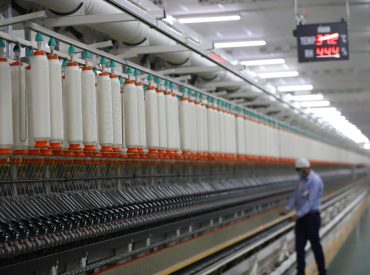
Another reason India has become a popular manufacturing hub is that India offers a wide range of manufacturing capabilities, from automotive and electronics to pharmaceuticals and textiles. A strong emphasis on technology adoption and innovation drives manufacturing excellence.Strategic Geographic Location:
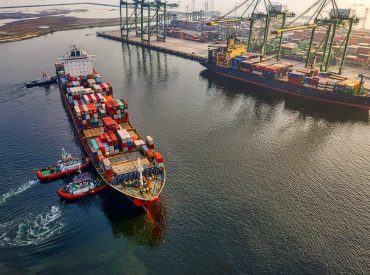
Furthermore, India’s strategic location provides easy access to major markets in Asia, Europe, and the Middle East. A well-developed transportation network, including seaports and airports, facilitates efficient logistics. Thus, helps companies sitting far away, like the USA and Canada, save on logistic expenses. Businesses operating all over the globe understand the competition in the market and thus always look for strategic steps to improve production efficiency and save costs. And India, as one of the biggest and truest manufacturing hubs become their ideal solution to outsource the entire production or part even part of it. Above we listed how the government and businesses like Refteck work on the same ground together to take the manufacturing industry high. To learn in detail how Refteck helps businesses improve efficiency and save money, contact us today!
Post-pandemic Recove...
Apr 6, 2021

Oil and Gas Procurem...
Apr 25, 2021

Supporting Global De...
Jun 7, 2021
A Premier Engineerin...
May 20, 2022

A Comprehensive Guid...
May 24, 2022