
The Importance of Supplier Relationship Management in Industrial Procurement
In the world of industrial procurement, a good supplier relationship can break or make you. Far too often, companies focus on the lowest price without considering the long-term value inherent in good supplier relationship management (SRM).
Additionally, supplier management is not solely aimed at obtaining products. Rather, it is all about establishing strategic sourcing partnerships that promote procurement collaboration.
It also guarantees timely delivery, and provides chances for mutual development.
Through the emphasis on supplier assessments, you can guarantee your suppliers match your objectives, resulting in repetitive performance and improvement.
What is Supplier Relationship Management (SRM)?
In simple terms, supplier Relationship Management (SRM) is the strategic method through which companies manage their relationships with suppliers. It is about collaborative communication and ongoing improvement in order to build value for both parties.
In addition, SRM is treating suppliers as partners rather than vendors. This is carried out with the aim of enhancing efficiency, cutting costs, and driving innovation.
In industrial procurement, successful SRM guarantees that suppliers are in line with business goals and are capable of delivering the appropriate products or services on a consistent basis. It's a long-term approach aimed at handling the whole life cycle of the supplier relationship, from initial selection to post-purchase cooperation.
Why Supplier Relationship Management is Crucial in Industrial Procurement
Supplier management is crucial to a company's success since it has a direct impact on its profitability. Furthermore, by emphasizing the development of strong vendor relationships, companies gain access to numerous advantages that make their procurement process better.
Improved Supplier Performance
When companies invest in strong supplier relationships, suppliers are more likely to go an extra mile for their needs. In addition, this leads to consistent and high-quality performance.
Supplier evaluations show that when suppliers feel valued, they’re motivated to go the extra mile, whether by offering faster lead times or more competitive pricing.Cost Savings
Strategic supplier collaboration creates an opportunity for better-negotiated terms, bulk discounts and lower procurement costs. Additionally, strategic sourcing ensures businesses can work closely with suppliers to reduce prices without sacrificing quality. Additionally, long term partnerships reduce costs associated with managing new contracts and repeating procurement processes.
Risk Reduction
It is the time where disruptions rise in the form of supply shortages, geopolitical changes, or natural calamities, they can affect business operations. Consequently, it becomes crucial to have a solid relationship with suppliers for hedging against risks.
Additionally, intensively integrated suppliers in the procurement collaborative process are more apt to provide early alerts about future disruptions, It furthermore enables businesses to prepare for uncertainty and curb operational risks.
Innovation and Collaboration
A strong supplier relationship fosters open lines of communication that eventually encourages collaboration resulting in innovation. Suppliers who have a deep understanding of your business needs would offer new ideas and solutions that enhance efficiency and quality.
Key Strategies for Effective Supplier Management
Here are some strategies businesses can adopt to build and maintain strong relationships with suppliers:
Procurement Collaboration
To start with, closely collaborating with the suppliers through consistent meetings and transparent communication is key. This is what aligns goals, enhances forecasting, and facilitates a clearer understanding of problems. Consequently, a good vendor relationship enhances decision-making and reduces disruptions.
Supplier Evaluation
Secondly, [periodic monitoring of supplier performance is nonnegotiable. It not only discovers areas for improvement above product quality alone, like reliability, delivery timelines, and innovation, but also helps in assessing these aspects.
Major areas of evaluation are:
- Product quality and service.
- Delivery lead times and flexibility.
- Responding to changes and problem-solving.
Transparent Communication
In addition to this, proper communication is equally essential to develop trust. Regular updating and honest debates on problems confirm that both understand the requirements of each other. Moreover, keeping things transparent on failures makes it easy to solve problems.
Joint Performance Metrics
Using performance metrics and KPIs (Key Performance Indicators) helps both parties measure success and find areas for improvement. For example, delivery accuracy, cost reductions, and innovation milestones can all be tracked. This shared approach to performance ensures alignment between both sides and further encourages continuous improvement.
The Role of Strategic Sourcing in Supplier Relationships
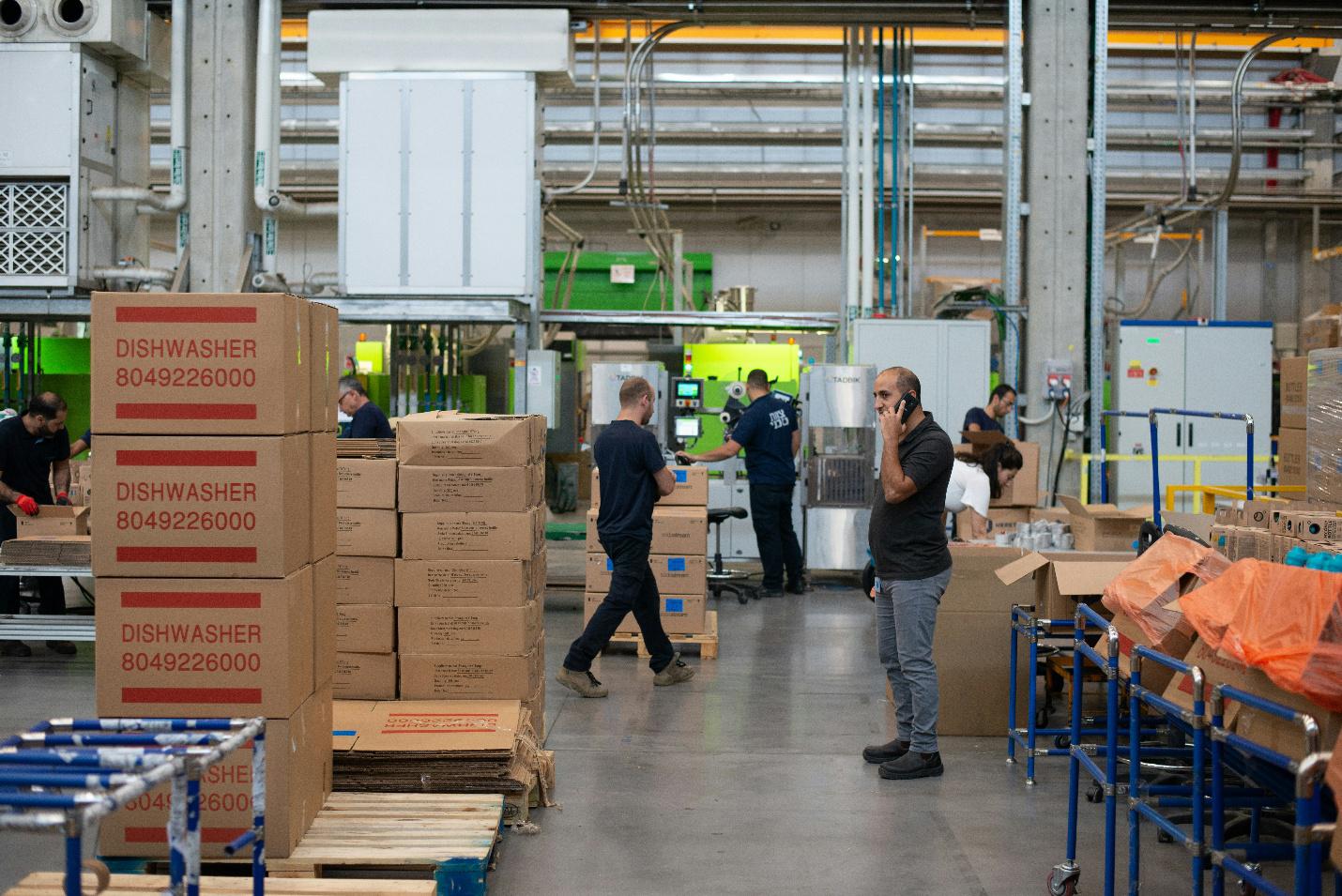
In procurement, strategic sourcing is not merely about sourcing the lowest cost supplier. instead, it is about building long-term vendor relationships with suppliers who align with your company's mission and values. Rather than focusing on immediate cost savings, strategic sourcing centers on selecting suppliers who can foster sustainable growth, innovation, and dependability over the long term.
In order to make this work, companies must evaluate suppliers carefully—beyond the fundamentals such as cost to considerations such as reliability, product quality, and their capacity to innovate. Supplier assessments are critical here, as they determine which suppliers are best suited for your company's requirements.
By regularly evaluating supplier performance and negotiating good contracts, businesses make sure that their vendor relationship remains beneficial to both parties. This is not only space for innovation but also the way businesses remain competitive in a dynamic market.
Challenges in Supplier Relationship Management
Though SRM is important, it also has its share of challenges. Some of the most common ones are listed below:
Supplier Performance Issues
At times, no matter how hard one tries, suppliers may not live up to performance expectations. This may be because of a lack of resources, quality issues, or logistics problems.
Lack of Communication
Lacking constant updates or communications, a supplier-company relationship may become strained. If there is a feeling on one side that they are not being communicated to sufficiently, the trust is eroded, which can be damaging to the relationship in the long run.
Cultural and Geographical Barriers
With cultural differences, variations in time zones, and linguistic differences, cultural sourcing may generate misunderstandings or communication delays, which inhibit the efficacy of the relationship.
In spite of all these issues, proactive measures such as frequent audits of suppliers, feedback systems, and open communication can address the problems before they turn into major hurdles.
The supplier relationship management (SRM) is important for long-term success in industrial procurement. By focusing on strategic sourcing and building strong vendor relationships, businesses can improve performance and foster innovation.
Now that you know how supplier relationship management and strategic sourcing can enhance your business, it's time to implement these strategies. At Refteck, our focus is on assisting companies in establishing long-term, mutually rewarding vendor relationships that fuel growth, innovation, and efficiency.
Reach out to Refteck today to learn how our professional solutions can fortify your procurement process and prepare your business for enduring success.

Post-pandemic Recove...

Oil and Gas Procurem...

Supporting Global De...
A Premier Engineerin...