
Navigating Global Supply Chain Disruptions – Lessons Learned and Future Strategies
As businesses navigate a rapidly changing global market, the importance of supply chain resilience has never been clearer. In 2023, 71% of global companies identified raw material costs as their top supply chain threat. This statistic highlights the growing need for businesses to prioritize supply chain resilience and implement effective procurement risk management strategies.
As disruptions in global logistics continue to challenge organizations, understanding past lessons and adopting future-proof strategies is more crucial than ever. By learning from these experiences, businesses can develop strategies that will help them build stronger, more resilient supply chains.
What Are Supply Chain Disruptions?
Supply chain disruptions are any events that cause a delay, stoppage, or breakdown in the usual flow of goods or services. These can happen for many reasons—such as unexpected demand spikes, transportation issues, or raw material shortages.
Once businesses were witnessing these as a rare event, but now disruptions are now becoming more frequent. Furthermore, this is prompting companies to rethink how they manage their supply chains.
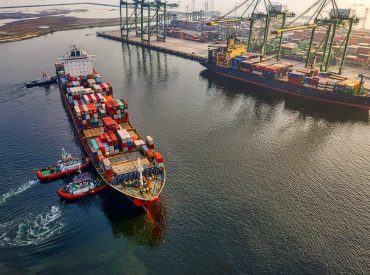
Global logistics, which involves the management of goods and services across borders, plays a critical role in the success of businesses. The interconnected nature means that even a small disruption in one part of the world can have ripple effects throughout the supply chain globally.
Understanding Supply Chain Disruptions in 2025
Supply chain disruptions have always been a challenge, but in recent years, they have become more frequent and harder to predict. Going forward, it's crucial for companies to understand what’s behind these disruptions so they can be better prepared and avoid costly setbacks.
Here are some key things causing disruptions right now:
Geopolitical Instability: Trade wars, political unrest, and shifting economic policies are making supply chains unstable. A good example of this is the trade tensions between the U.S. and China, which caused major delays and price hikes. As we move into 2025, countries are more focused on being self-sufficient, making global trade even more unpredictable.
Natural Disasters and Climate Change: Extreme weather events like floods, wildfires, and hurricanes are happening more often, disrupting industries everywhere. As climate change continues to worsen, these events will only get more frequent and intense, testing the flexibility of supply chains.
Health Crises: The COVID-19 pandemic showed just how vulnerable global supply chains are. While things may be calmer now, health emergencies can still cause delays, shutdowns, and labor shortages that affect businesses across the world.
Raw Material Shortages: The demand for things like semiconductors, steel, and oil has skyrocketed. In 2025, this problem is predicted to only worsen, causing bottlenecks and forcing companies to scramble for resources.
Labor Shortages: As workers push for better pay and conditions, industries are facing a shortage of skilled labor. This not only causes delays but also drives up costs.
Lessons Learned from Recent Disruptions
Recent disruptions have taught businesses important lessons in navigating tough times. Events like the COVID-19 pandemic, semiconductor shortages, and natural disasters highlighted key areas for improvement. Here are the main takeaways:
Flexibility is Key
What we learned: The pandemic forced businesses to adapt quickly, with lockdowns and factory closures disrupting supply chains.
Why it matters: Businesses that could switch suppliers or adjust operations stayed ahead and minimized disruptions.
Strong Supplier Relationships Matter
What we learned: During COVID-19, companies with strong supplier relationships received faster support.
Why it matters: A solid network of suppliers helps manage risks and ensures continuity during disruptions.
Diversify Suppliers
What we learned: The 2021 semiconductor shortage showed the risk of relying on one supplier. When key suppliers faced issues, delays were inevitable.
Why it matters: Using multiple suppliers or sourcing from different regions reduces risk and keeps things running smoothly.
Technology Helps You Stay Ahead
What we learned: Businesses that used digital tools during the pandemic tracked inventory, adjusted forecasts, and made quicker decisions.
Why it matters: Real-time data helps companies react faster, minimizing disruption impact.
Have a Contingency Plan
What we learned: The pandemic and shipping delays showed how vital backup plans are, whether it’s having alternative suppliers or shipping routes.
Why it matters: Being prepared for disruptions gives businesses a better chance to manage through challenges.
Make Risk Management a Priority
What we learned: Geopolitical tensions and natural disasters highlighted the importance of anticipating risks, like the U.S.-China trade war and extreme weather.
Why it matters: A proactive risk management approach helps businesses take steps to reduce disruptions before they happen.
The Importance of Supply Chain Resilience
Supply chain resilience is necessary in order to manage disruptions. In case unexpected events such as natural calamities or health emergencies arise, firms must react in a timely manner.
Through procurement risk management, companies are able to prepare themselves for such challenges. Having good relationships with suppliers and a contingency plan further minimizes the effects of disruptions.
In addition, creating a resilient supply chain guarantees that companies remain in business, even during difficult periods. In the long term, being resilient is not only about managing disruptions but also about remaining ahead and keeping your business in motion.
Future Strategies for Navigating Supply Chain Disruptions
To effectively navigate disruptions, businesses must focus on adaptability, technology, and proactive planning. Here are some strategies for a resilient supply chain:
| Strategy | Key Points |
|---|---|
| Diversify Suppliers and Sourcing Regions | Use multiple suppliers to build supply chain resilience. |
| Balance local suppliers for speed, and global ones for cost efficiency. | |
| Invest in Technology | Use AI, IoT, and supply chain management software to track shipments. |
| Leverage global logistics technology to predict disruptions and improve decision-making. | |
| Build Strong Supplier Relationships | Maintain open, clear communication with suppliers to improve procurement risk management. |
| Foster long-term relationships for stability and flexibility. | |
| Enhance supply chain resilience through collaboration. | |
| Make Sustainability a Priority | Focus on sustainable procurement to minimize environmental impact. |
| Adapt to changing global logistics regulations related to sustainability. | |
| Have a Solid Contingency Plan | Identify backup suppliers, routes, or alternate production sites. |
| Implement flexibility in logistics operations to prepare for unpredictable events. | |
| Be Proactive in Risk Management | Regularly assess risks like geopolitical instability and climate change. |
| Use advanced analytics to predict and manage potential disruptions in supply chain disruptions. | |
| Implement early warning systems to act before issues escalate. |
Final Verdict
Supply chain disruption is a harsh reality of conducting business in today's globalized world. Yet, by placing an emphasis on supply chain resilience, procurement risk management, and contingency planning, companies can withstand any storm.
Ready to strengthen your supply chain? Partner with Refteck for sustainable solutions and resilience in the face of disruptions.

Post-pandemic Recove...

Oil and Gas Procurem...

Supporting Global De...
A Premier Engineerin...