
From China to India: The Smart Move for Manufacturers Seeking Cost-Effective, Reliable Production
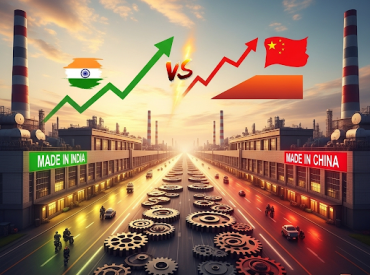
Manufacturing is undergoing a major shift, with companies actively seeking alternatives to China for production. Rising costs, geopolitical risks, and supply chain disruptions have pushed manufacturers to explore new destinations now.
Among these, India has emerged as a favourable business environment offering cost-effectiveness and skilled labour. Let’s break down why global manufacturers are moving away from China and why India is proving to be the most sustainable alternative.
Why Global Manufacturers are Moving Away from China
China's dominance in global manufacturing is being challenged. Companies that once relied heavily on Chinese factories are now looking elsewhere because of the rising global challenges. Here’s why:
Rising Wages and Operational Costs
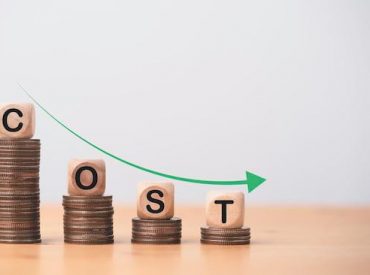
China’s labour costs have surged dramatically over the years. In 2000, the average manufacturing wage in China was less than $1 per hour; today, it exceeds $6 per hour in major industrial zones like Shenzhen. Meanwhile, in India, wages are still 50-60% lower. Keeping that in focus, manufacturers see a clear cost advantage in shifting production.
Increasing Geopolitical Tensions and Trade Risks
Everyone is aware of the U.S.-China trade war and how it is affecting sanctions, tariffs, and export restrictions. Now all these factors have coupled up and have made China a risky bet for businesses.
Environmental Regulations and Production Constraints
China has implemented strict environmental policies, which is leading to factory shutdowns and increased compliance costs. In contrast, emerging economies are offering a balanced approach, while maintaining competitive production costs.
China Plus One: The Smart Strategy for Reducing Dependency on China
China Plus One (C+1) is an emerging strategy as businesses understand the pitfalls of too much dependence on one nation. However, rather than completely withdrawing from China, producers are diversifying by moving to other parts of the world. This strategy keeps companies agile, minimises supply chain problems, and streamlines costs.
How the C+1 Approach Ensures Business Continuity
Diversification insulates manufacturers against trade barriers, geopolitical tensions, and unforeseen crises such as pandemics. Moreover, having several bases of production enables companies to maintain business continuity.
The Strategic Benefits of Multi-Location Manufacturing
Having operations across various locations enables producers to be responsive to changes in global demand. It also increases the resilience and optimisation of the supply chain and offers power in negotiating tariffs and trade deals.
Key Countries Emerging as Alternatives
- India - Offers a strong industrial base, skilled workforce along with government incentives. All these factors make the country the most promising long-term alternative.
- Vietnam - A growing hub for electronics and textile manufacturing due to lower labour costs and geographic proximity to China.
- Thailand - Well-established in the automotive and electronics industries, with strong infrastructure support.
Why India is the Most Viable C+1 Alternative for Manufacturers
Among all China Plus One alternatives, India has proved to be the most enticing option. It has a massive labour pool and welcoming government policies to support manufacturing businesses. Let’s have a closer look at what is driving foreign companies to target India more.
Cost-effective labour and skilled workforce availability
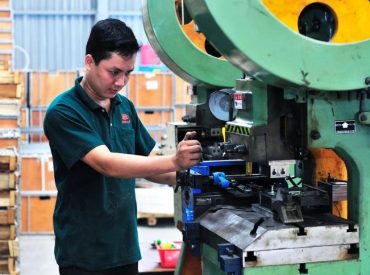
India boasts one of the world's largest workforces, one that pays a lot less compared to China. Simultaneously, it is endowed with one of the best-educated and best-trained workforces, especially in engineering, IT, and precision manufacturing.
Strong domestic market demand and global export potential
Unlike smaller alternatives like Vietnam or Thailand, India isn't just a manufacturing base - it’s a massive consumer market. With a population of over 1.4 billion, companies shifting production here can sell locally while also exporting globally.
- The rise of the middle class in India fuels demand for electronics, automobiles, and consumer goods.
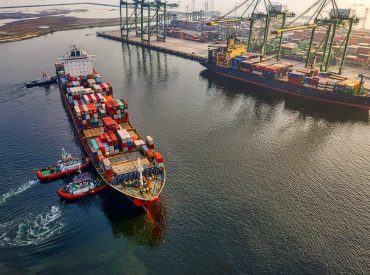
- India is also strengthening its export infrastructure, expanding ports, and improving logistics.
Proactive government policies and tax incentives
The Indian government has launched multiple initiatives to attract foreign manufacturers, including:
- Production Linked Incentive (PLI) Scheme: Offering financial incentives to manufacturers in key sectors like electronics and automotive.
- Ease of Doing Business Reforms: Simplified compliance, digital processes, and tax benefits for foreign companies.
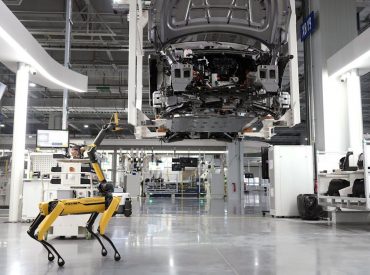
- Infrastructure Investments: Development of industrial corridors, logistics hubs, and smart manufacturing zones.
How to Successfully Transition from China to India
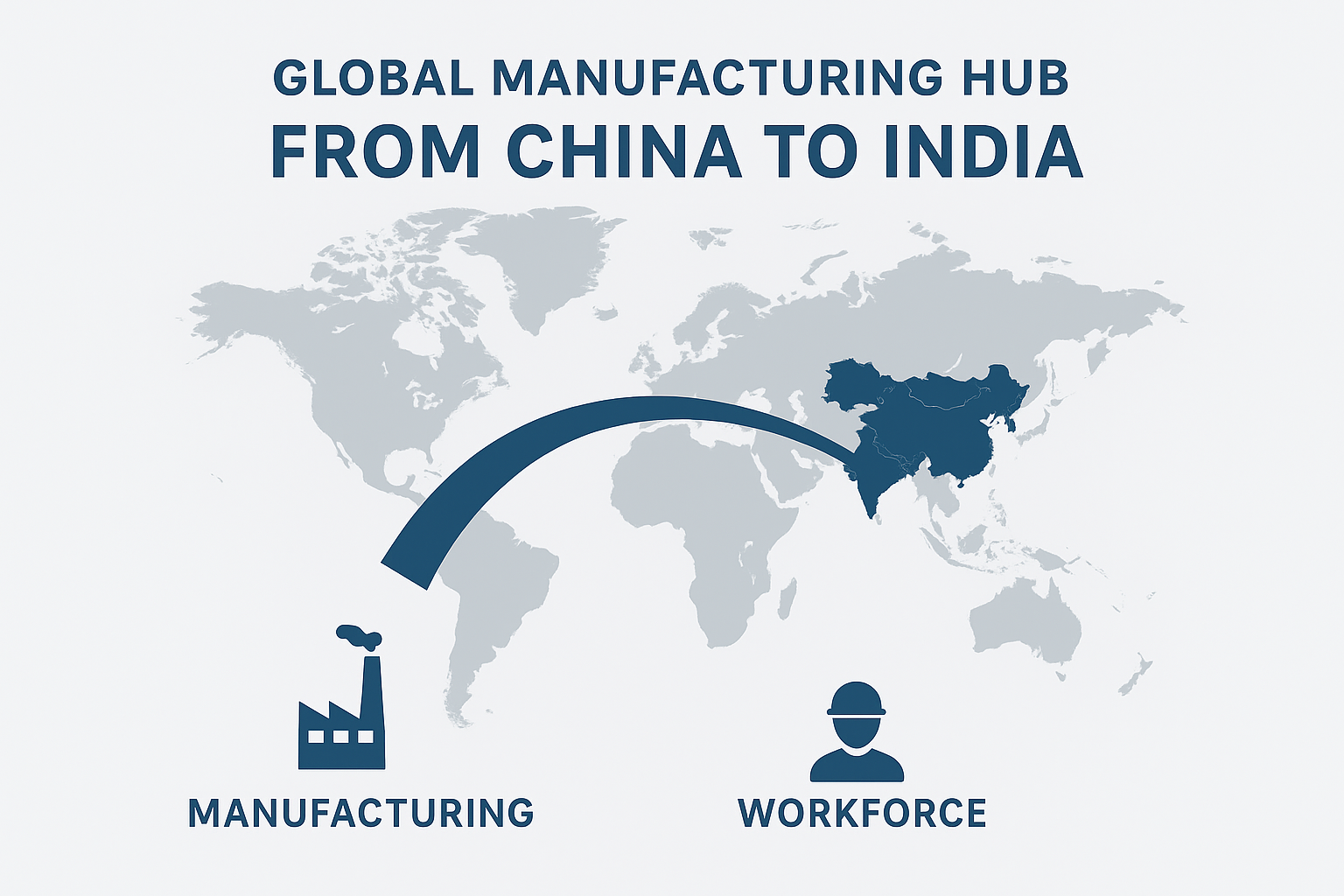
Relocating manufacturing requires careful planning. Here’s how companies can make the transition smoother:
Finding Reliable Suppliers
Strong supplier partnerships ensure quality and efficiency. Research, on-ground visits, and collaborations with Indian contract manufacturers help build a dependable supply chain.
Understanding Regulations and Incentives
Navigating India’s tax laws, labour policies, and import/export rules is crucial. Partnering with local experts simplifies compliance and unlocks government incentives.
Managing Logistics and Supply Chains
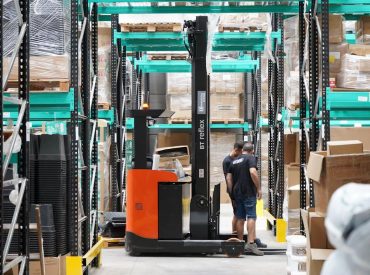
India’s improving infrastructure supports smooth transitions, but businesses must assess transport networks and optimise supply chain strategies to avoid disruptions.
Success Stories: Companies That Have Shifted Manufacturing from China to India
Several multinational corporations have already headed towards India as their next manufacturing hub. Their success stories highlight the benefits of moving production to India, from cost savings to access to a massive consumer market. Let’s look at some of the key players making the shift.
Automotive: Hyundai
Hyundai is increasing its presence in India to make more than 1 million cars annually. It's the second-largest vehicle producer in India now.
Electronics: Apple & Samsung
Apple: Apple is producing more iPhones in India now, resulting in a huge rise in exports. Samsung: Samsung has established the largest mobile phone manufacturing unit in the world in Noida, producing millions of phones every year.
Industrial Manufacturing: Siemens
Siemens has invested a lot in India with 14 plants all over the country. It specialises in manufacturing and producing goods locally, and this has been extremely successful.
These giants are taking advantage of India's cost benefits and government support to expand their business.
Lessons Learned from Global Manufacturers Implementing C+1 in India
- Diversification Lowers Risk - Shifting away from China reduces supply chain disruptions caused by geopolitical tensions and trade restrictions.
- Government Incentives Accelerate Growth - India’s PLI scheme and tax benefits make it an attractive, cost-effective manufacturing destination.
- Local Adaptation is Essential - Companies that understand India’s regulatory framework and labour dynamics experience smoother transitions.
- Domestic Market Strengthens Business Stability - India’s massive consumer base provides long-term growth opportunities beyond exports.
- Supply Chain Development Needs Patience - Establishing supplier networks and logistics infrastructure requires strategic investment and time.
Why India is the Most Sustainable and Long-Term Manufacturing Destination
For businesses thinking long-term, India isn’t just an alternative—it’s the smarter choice. The government is positively propelling green manufacturing with subsidies for renewable power, waste elimination, and carbon-free projects.
Additionally, economic stability, pro-business policies, and a fast-evolving supply chain make India a reliable bet in an unpredictable global landscape. As companies rethink their strategies, India stands out as a sustainable manufacturing hub.
Ready to future-proof your operations? Refteck helps businesses transition smoothly into India’s thriving industrial ecosystem. Contact us!

Post-pandemic Recove...

Oil and Gas Procurem...

Supporting Global De...
A Premier Engineerin...