
Diversifying Supply Chains: Why India is the Future of Global Manufacturing
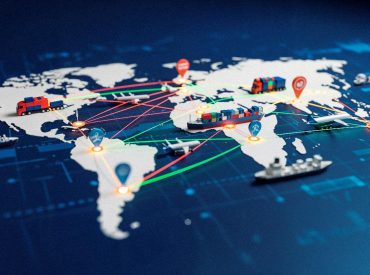
Relying too heavily on one manufacturing leaves companies vulnerable to unforeseen risks. Global disruptions in recent times have proved just how vulnerable supply chains are. It is for this reason that companies are seeking other markets to safeguard their operations and India is quickly emerging as a top contender.
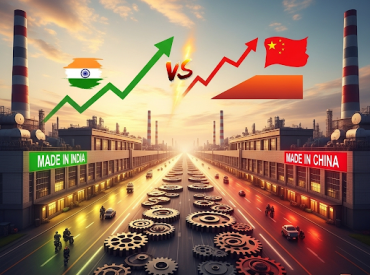
With its expanding industrial sector, cost benefits, and pro-business policies, India presents genuine opportunities for global manufacturers. Read on as we discuss why India is emerging as the future of global manufacturing and what relevance it will have in global diversification.
The Risks of Relying Solely on China for Manufacturing
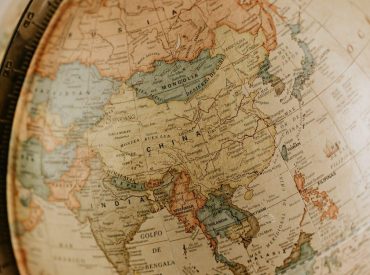
China has been the manufacturing giant of the world for years. Its huge labour force, cheap production, and efficiency made it a natural destination for foreign companies. However, some recent events have shown the risks of depending on one country for all your manufacturing needs.
- COVID-19 Disruptions: The pandemic revealed the vulnerability of global supply chains. Shutdowns in Chinese factories caused delays that cascaded around the globe. The crisis illustrated how exposed supply chains are when there is excessive dependence on one nation.
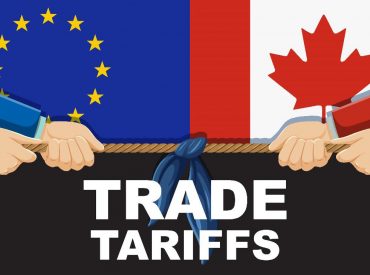
- U.S.-China Trade Tensions: Persistent trade tensions between China and the U.S. have led to tariffs and other restrictions that make doing business more difficult for firms dependent on Chinese manufacturing.
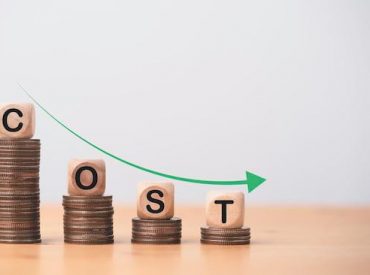
- Rising Costs and Regulations: Wages in China have been on the rise for years, making it an increasingly costly location to operate. For example, labour costs now stand at $6.50/hour, far above many emerging economies. Moreover, tighter environmental regulations are forcing companies to seek more cost-efficient and flexible options.
As international tensions rise, firms are increasingly at risk of being over-reliant on a single country. As a consequence, there is now a rise of diversification as it allows business to cushion itself against such uncertainties. But what is this strategy?
China Plus One: The Supply Chain Diversification Imperative
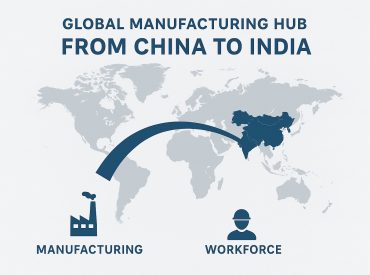
Global producers are increasingly adopting the China Plus One strategy. Simply put, this strategy stands for having operations in China and diversifying into other markets.
However, it is noteworthy that this trend is no longer temporary. In fact, it is becoming a requirement for companies seeking to minimise risks and enhance supply chain stability.
Why China Plus One is Becoming the Preferred Strategy
The China Plus One strategy is picking up pace as businesses acknowledge the need of safeguarding themselves against disruptions. This strategy offers several advantages:
- Risk Mitigation: By spreading production across multiple countries, companies reduce the impact of local disruptions, such as lockdowns, trade disputes, or policy changes.
- Cost Efficiency: Expanding into lower-cost regions helps businesses manage rising labour expenses in China while maintaining access to skilled labour.
- Market Access: Diversification allows companies to establish a presence closer to key customer bases, improving delivery timelines and reducing logistical challenges.
Why Diversification is Critical for Supply Chain Resilience
Relying on one country for manufacturing is a risky move in today’s unpredictable world. Unforeseen circumstances such as factory closures, trade wars, or changes in regulations can disrupt entire supply chains.
This is why businesses are now diversifying, setting up production in multiple countries to reduce risks. This not only minimises disruptions but also gives companies more flexibility to adapt when things go wrong.
India’s Role in the Next Phase of Global Manufacturing
India is becoming a key player in global manufacturing as companies like Apple, Samsung, and Foxconn expand production to reduce reliance on China. With a skilled workforce and growing industrial base, India is filling critical gaps in electronics, pharmaceuticals, and automotive supply chains. Ahead we discuss how India is strengthening the supply chain globally.
How India is Strengthening Global Supply Chains
India is actively making moves to become a global manufacturing leader. The country is focused on improving its infrastructure, creating business-friendly policies, and attracting foreign investment. Here are some key developments:
- Infrastructure Advancements: From new highways and railways to ports and airports, the country is building better connectivity for faster and more efficient logistics. One such example is the Delhi-Mumbai Industrial Corridor (DMIC), an ambitious project aimed at linking major industrial cities.
- Special Economic Zones (SEZs): India’s SEZs offer manufacturers with tax incentives, improved infrastructure, and simplified regulations, which make them an attractive choice for companies seeking to establish business in India.
- Favourable Trade Policies: India’s trade policies with major global markets offer attractive opportunities for manufacturers looking to expand operations in India.
- Growth in Digital Infrastructure: India has seen rapid growth in digital connectivity, ensuring smoother supply chain management with improved tracking systems, inventory control, and automated processes.
Comparing India’s Manufacturing Ecosystem to Other C+1 Alternatives
While India is a strong contender for the China Plus One strategy, it’s important to compare it with other countries in a similar frame.
| Factor | India | Other C+1 Alternatives |
|---|---|---|
| Labour Costs | $1.72/hour | Higher in countries like Vietnam and Mexico |
| Workforce Size | Vast talent pool with growing technical expertise | Smaller workforce in emerging competitors |
| Infrastructure | Expanding road networks, ports, and rail connectivity | Limited infrastructure in some regions |
| Innovation Potential | Increasing investment in automation and smart manufacturing | Lower focus on high-tech industries |
| Regulatory Support | Business-friendly reforms improving ease of doing business | Varied policies in competing markets |
Key Sectors Driving India’s Manufacturing Growth in the C+1 Era
India’s manufacturing expansion is not limited to one or two sectors. Several industries are thriving as companies shift their focus to India:
Electronics and Semiconductors Production: Companies such as Apple and Samsung are scaling up their production in India, lowering dependence on China for smartphones and other technology products.
Automotive and EV Parts: India is aiming to become a leader in electric vehicle (EV) production, with players such as Tata Motors and Ola Electric taking the lead in EV manufacturing.
Pharmaceuticals and Medical Devices: India’s pharmaceutical sector is known for producing affordable generic drugs. With growing investments in biotechnology and medical devices, India is becoming a key player in the global healthcare manufacturing sector.
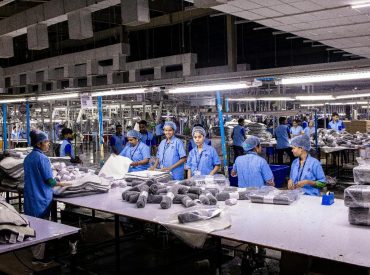
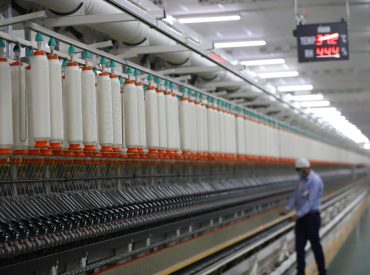
Textile and Apparel Manufacturing: India’s strong textile industry, combined with its skilled workforce, makes it a hub for apparel manufacturing. Furthermore, it is particularly for exports to Europe and North America.
Engineering Goods and Heavy Machinery: India’s expertise in engineering and precision manufacturing has attracted investment in sectors like aerospace, defense, and industrial equipment.
Why India Will Be the Preferred Manufacturing Hub in the Next Decade
India is becoming a huge manufacturing center, and it's no wonder why. It's cheaper, from labour to raw materials, allowing companies to keep costs down. Plus, India's rapidly expanding middle class means there's a solid domestic market for goods produced here.
The government is also streamlining things for manufacturers with pro-business policies and incentives. Add to that a growing pool of highly skilled workers, and businesses have the expertise they require to succeed. For companies wanting to ensure their future, India is a growing smart bet.
For expert guidance on India’s manufacturing landscape, contact Refteck Solutions, your partner in driving growth and smart strategies.

Post-pandemic Recove...

Oil and Gas Procurem...

Supporting Global De...
A Premier Engineerin...