
Winners & Losers of the US-China-EU Trade Crisis – Where Does Your Supply Chain Stand?
Not every company loss in a trade war - some emerge stronger. Is your ready?
Global trade dynamics are shifting rapidly in today’s uncertain economic landscape. The US-China tariff crisis and escalating tensions with the EU are reconfiguring the way companies construct and maintain their supply chains. Companies that previously were highly dependent on China now experience increasing costs, extended lead times, and policy unpredictability. Meanwhile, new champions are rising with nimble, diversified sourcing.
In this blog, we explore who is winning, who is losing, and how your supply chain can stay competitive. Whether you are an OEM (Original Equipment Manufacturer), a procurement leader, or a logistics partner, now is the time to act before disruptions turn into long-term losses.
So, how is your supply chain doing? Let us dig into the trade war winners’ losers and how you can remain on the winning side.
Immediate Losers - OEMs Over-Reliant on China
For many years, OEMs relied heavily on China. It was cost-effective, fast, and had a strong manufacturing base. But now, that over-reliance has become a significant risk.
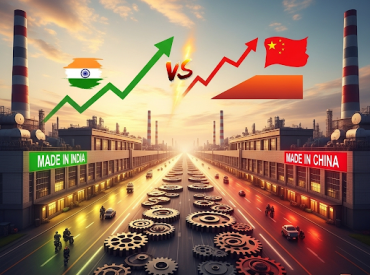
When the US introduced tariffs on Chinese goods in 2018, it started a chain reaction. China responded with its own tariffs. The European Union followed with stricter rules and checks. Companies that did not diversify quickly got stuck with rising costs and delayed shipments.
A good example is the electronics industry. U.S. imports of electronics from China declined sharply after tariffs rose, Statista reports. Businesses that failed to prepare lost market share or were forced to pass on increased costs to their customers.
OEMs who established their entire supply chain in China became overnight losers. They had to suffer longer lead times, unfixed tariffs, and fluctuating regulatory barriers. The moral? Dependence on a single country, even a giant like China, is risky.
Emerging Winners - Agile, Diversified Sourcing Teams
While some companies struggled, others adapted and fast.
The winners of the US-China tariff crisis were those with agile supply chains and diversified sourcing. They did not rely on a single country. Instead, they built supplier networks in regions like Vietnam, Mexico, and Eastern Europe.
Some winning strategies included:
- “China +1” sourcing models, where companies add one or more alternative countries alongside China.
- Partnering with suppliers in India, Vietnam, Mexico, and Eastern Europe.
- Investing in digital supply chain visibility tools to track and manage disruption in real-time.
According to a McKinsey & Company report, diversified supply chain companies bounced back quicker from trade shocks and disruptions.
Being agile is not simply about responding quickly. It involves planning ahead, building connections across marketplaces, and getting ready for backup plans. Businesses have been able to transform crisis into opportunities thanks to these traits marking them clearly among the trade war winners’ losers.
Case Studies from the Market - Companies Moving Out of China
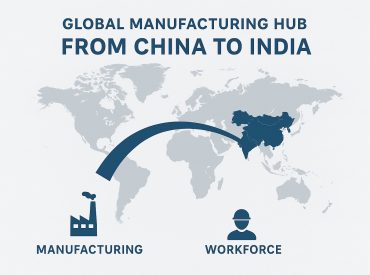
Already, numerous international companies have moved out their manufacturing from China. They are relocating operations away from China to mitigate risk and save money.
Apple: Apple began shifting some iPhone and MacBook production to India and Vietnam. The move wasn’t only about tariffs. It was also about avoiding future geopolitical risks.
Samsung: Samsung shut down its last smartphone factory in China in 2019. It expanded operations in Vietnam and India, where labor costs are lower, and trade tensions are minimal.
Hasbro: Hasbro moved nearly 50% of its production outside China by 2020. They now manufacture in countries like Vietnam and India.
These moves reflect long-term strategy changes, not just responses to the US-China tariff crisis, but to broader concerns around resilience and sustainability.
Supply Chain Risk Assessment Framework
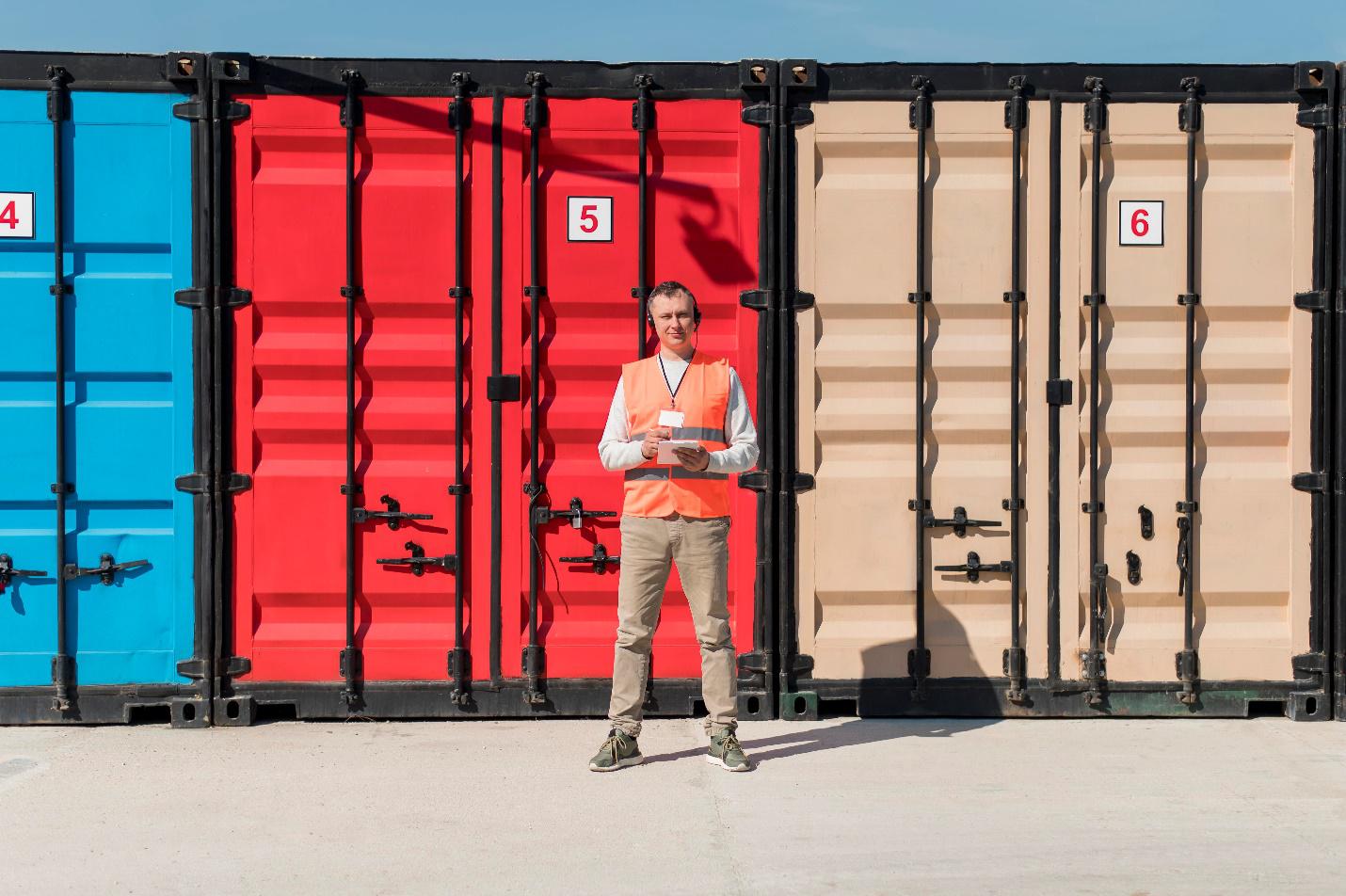
How do you know if your supply chain is at risk? Start with a supply chain risk assessment. Here is a simple supply chain risk assessment framework you can use:
- Supplier Concentration
- Do more than 50% of your suppliers operate in one country?
- Is your Tier 2 or Tier 3 supply base also geographically concentrated?
If yes, your supply chain is at high risk of disruption from geopolitical events, natural disasters, or policy shifts in that region.
- Tariff Exposure
- Are you now paying higher tariffs because of US-China-EU tensions?
- Are policy changes likely to affect your costs in the future?
Keep track of tariff timelines and affected products.
- Geopolitical Risk
- Is your supply base located in politically unstable regions?
- How does this impact shipping, labor laws, or trade restrictions?
When political tensions rise, even the cheapest supplier can become the most costly choice in terms of delays and uncertainty.
- Visibility and Agility
- Can you track your materials from source to delivery?
- Do you have backup suppliers?
Firms with better visibility and multiple sourcing options bounce back faster.
Doing this kind of supply chain risk assessment once a year is not enough anymore. It should be part of your ongoing procurement strategy.
Are You on the Winning Side?
The international supply chain is evolving rapidly. If your supply chain remains mainly in China, you might be on the wrong side. But you are more likely to win if you have already begun to diversify.
Ask yourself:
- Do you have only one country to rely on?
- Can you quickly switch production?
- Are you monitoring new trade regulations?
- Have you established relationships in several regions?
If your answers to all the questions are "no," then it is time to reassess your strategy.
Final Thoughts
The US-China tariff crisis is far from over. The EU is also becoming stricter on trade practices and foreign investments. As global regulations grow more complex, companies that stay reactive will struggle to keep up. To stay competitive, your supply chain must do more than just survive; it needs to adapt, evolve, and lead.
Start with a solid supply chain risk assessment. Build agility into your sourcing strategy. Learn from the trade war winners’ losers who moved early. Because in today’s world, resilience is not optional it is the new standard.
At Refteck, staying competitive starts with proactive thinking. Let us help you reassess, rebalance, and respond to global supply chain challenges - before they become roadblocks.

Post-pandemic Recove...

Oil and Gas Procurem...

Supporting Global De...
A Premier Engineerin...