
India vs China Manufacturing – 2025 Cost, Quality & Risk Comparison for Global Buyers
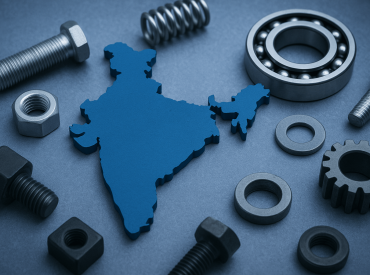
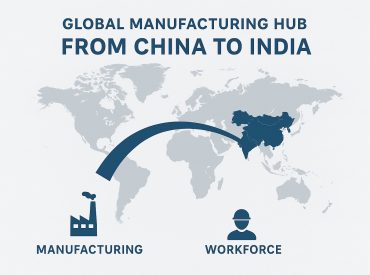
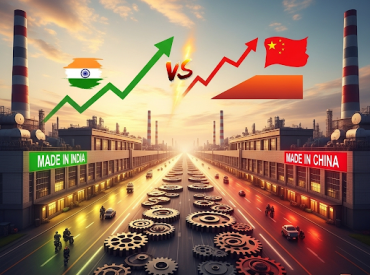
For decades, China has been the first choice for manufacturing goods around the world. Its size, infrastructure, and ability to produce were the best. But as we are in 2025, that is no longer true. Rising labor costs, political tensions, and supply chain problems have led buyers to rethink where they get their products. As companies search for reliable, cost-effective alternatives, one country is quickly gaining ground, India. India is no longer a low-cost nation, it is becoming a viable choice for quality, innovation, and dependability. Purchasing staff and international buyers need to understand the full picture of India vs China manufacturing in 2025. Let us look at the cost difference between India and China, note the quality levels Indian manufacturers are attaining, check for key risk indicators, and show you how Refteck allows you to buy better from India. Let us take a closer look.
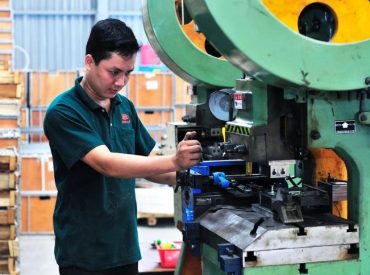
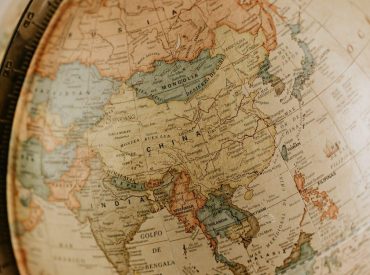
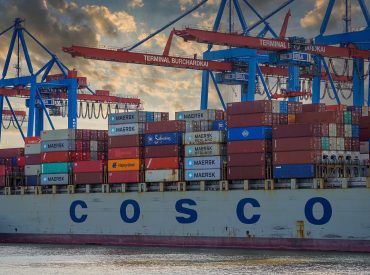
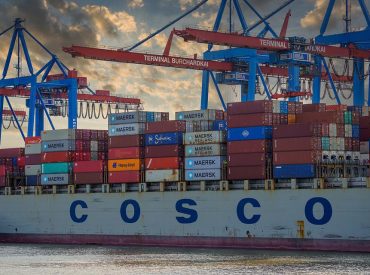
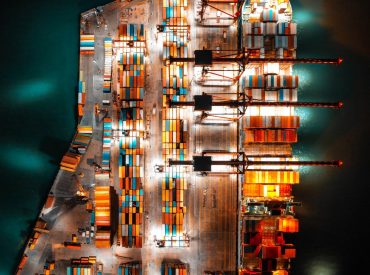
While China's infrastructure and productivity are well-established, India's competitive labor costs and improving logistics make it an attractive alternative for global sourcing.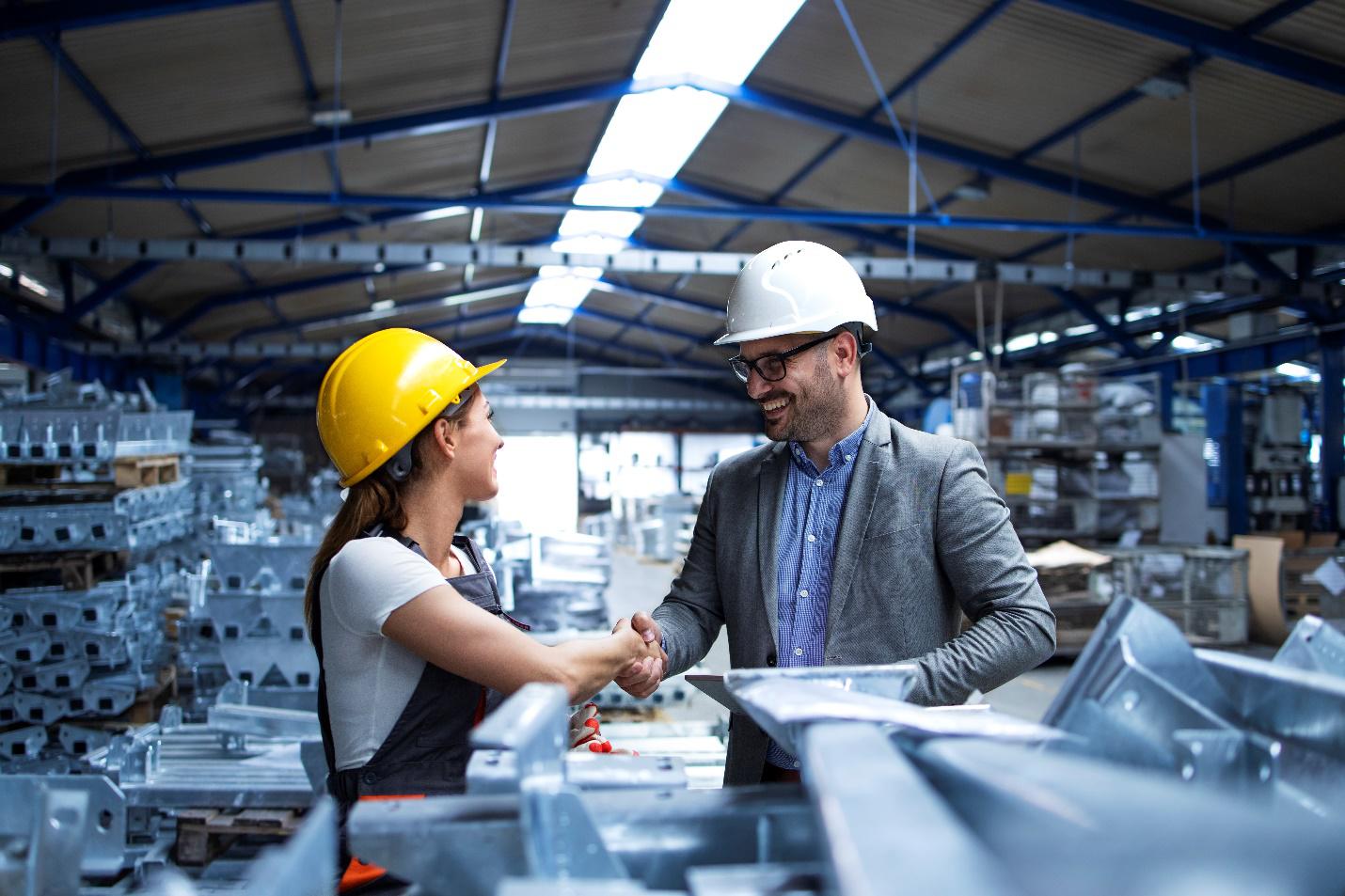

Why India Is Not Just About Cost Anymore
India was regarded as the preferred source for low-cost manufacturing for many years. However, by 2025, that narrative has shifted, with India now competing on capability rather than price alone. Let us examine why.- Design & Co-Development Capabilities:Indian suppliers are not merely adhering to blueprints they are also contributing to them. From industrial parts to precision components, manufacturers are collaborating in close knits with global teams on design collaboration and product innovation.
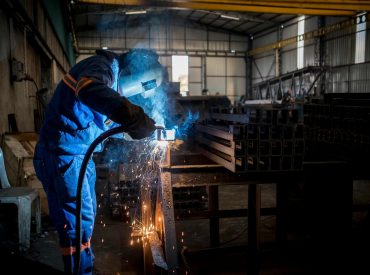
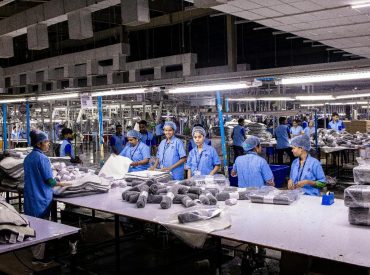
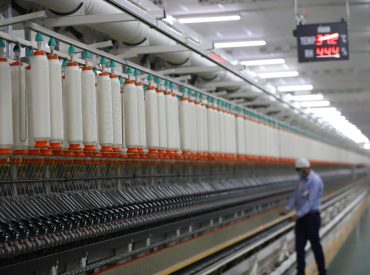
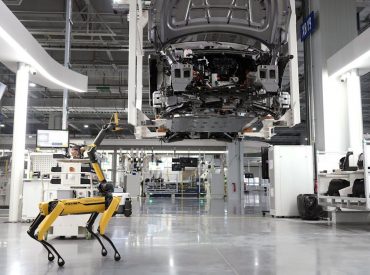
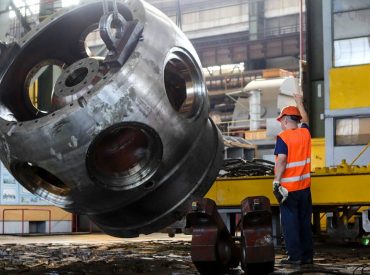
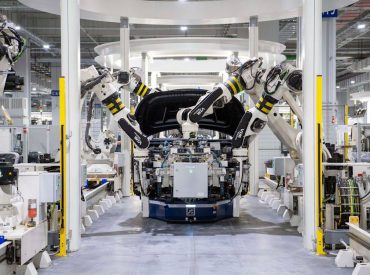
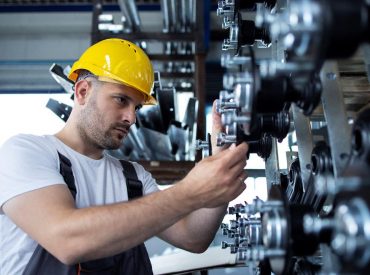
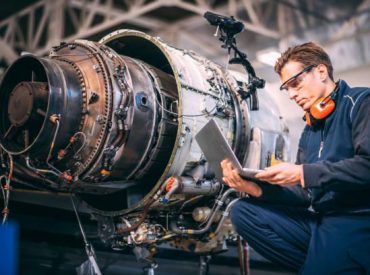
- Investment in Smart Manufacturing:Indian factories today are fitted with CNC machining, robotics, and IoT-based quality control. Such technology-led upgradation allows high-precision manufacturing and faster turnarounds, comparable to China's production in all but a few categories.
- Stronger Focus on Sustainability:India is rapidly emerging as a center for sustainable and ESG-compliant sourcing. Most manufacturers are adopting green energy, water recycling, and waste reduction initiatives value addition for environmentally conscious buyers.
- Strategic Value Beyond Price:When buyers do a cost comparison India-China, India stands out not just for lower labor, but for long-term value, transparency, and reliability especially in sectors where trust and compliance matter most. From a cultural standpoint, India’s business ecosystem is increasingly aligned with Western procurement values prioritising transparency, customisation, and collaborative growth making it an attractive, long-term sourcing partner for global buyers beyond just cost savings.
Cost Comparison: India vs China (2025)
| Category | India (USD) | China (USD) | Notes |
|---|---|---|---|
| Labor (per hour) | $1.40 | $7.20 | India’s labor costs are significantly lower |
| Factory Worker Wage (monthly workforce) | $150–$300 | $600+ | Reflect India’s Cost-effective workforce |
| Manufacturing Wage (minimum) | $66-$202 | $140-$346 | Varies across states/provinces |
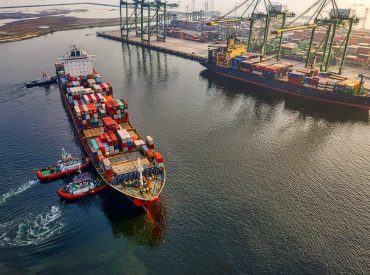
| Logistics Cost (as % GDP) | ~14% | ~8% | India is investing in infrastructure to reduce logistics costs. |
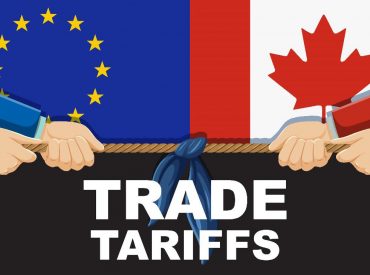
| Tariff Exposure (US market) | Low | High | India faces fewer trade restrictions compared to China. |
Quality Standards Achieved by Indian Manufacturers
Indian companies have come a long way in catching up with international quality standards:- Certifications: Several manufacturers have ISO 9001, ISO 13485, and CE certifications, affirming compliance with international quality parameters.
- Regulatory Compliance: ISI mark, regulated by the Bureau of Indian Standards (BIS), assures compliance with Indian standards, with obligatory compliance for some products.
- Workforce Expertise: India produces 1.5 million engineers annually, with many specialising in manufacturing technologies.
Risk Factors: Mitigating IP, Delivery, and Compliance Concerns
When comparing India vs China manufacturing, several risk factors emerge:- Intellectual Property (IP) Protection: Many companies hesitate to manufacture in China due to IP theft risks, with cases of patent infringements and forced technology transfers being widely reported.
- Geopolitical Stability: India has stable trade relations with big economies. This minimises the chances of sudden tariffs or trade barriers that have damaged China in the past few years.
- Compliance and Transparency: Indian laws emphasise transparency and rigorous compliance with global standards, minimising the risks of compliance.
How Refteck De-Risks India Sourcing
- Supplier Verification: We conduct rigorous audits to ensure that the suppliers comply and meet quality standards.
- Quality Assurance: Our team employs strict quality control in the manufacturing process.
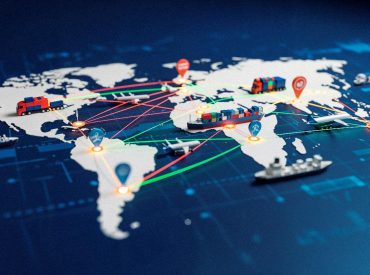
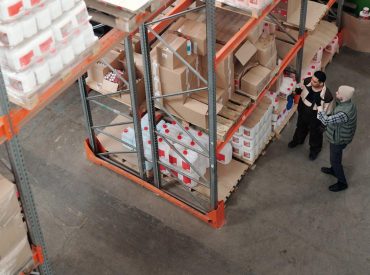
- Logistics Management: We guarantee prompt and effective operations by supervising the complete supply chain, from manufacturing to delivery.
- Regulatory Compliance: Refteck makes certain that every product satisfies the legal specifications required by the markets in which it is intended.
Real Numbers: Where India Is Gaining the Edge
Is India finally ready to replace China in global supply chains? Numbers do not lie. Now a days India's manufacturing sector is witnessing significant growth:- Manufacturing Output: India's manufacturing industry will reach $1 trillion by 2025-26, as there are big investments in the electronics, automation, and textiles sectors.
- Digital Adoption: 40% of manufacturing investment goes into digital technologies, raising efficiency and quality of products.
- Employment Growth: In the period of 2022-2024, the "Make in India" program amplified the manufacturing work by 200% by providing an educated and productive workforce.
Conclusion
India vs China manufacturing is no longer just a cost debate. It is about value, sustainability, and risk mitigation. While China still holds advantages in speed and infrastructure, India is closing the gap fast and, in many categories, leading the race. At Refteck, we help global buyers source confidently from India with verified suppliers, strict quality protocols, and complete transparency. Looking to diversify your supply chain in 2025? Let’s talk about how Refteck can make your next India sourcing project a success.
Post-pandemic Recove...
Apr 6, 2021

Oil and Gas Procurem...
Apr 25, 2021

Supporting Global De...
Jun 7, 2021
A Premier Engineerin...
May 20, 2022

A Comprehensive Guid...
May 24, 2022