
Why Global OEMs Are Moving Their Sourcing to India – Faster Than Ever Before
Global giants are moving to India - here's why your procurement roadmap should, too.
For years, OEMs looked at India through a narrow lens: low-cost labor, selective outsourcing, and risk diversification. But today, those assumptions are outdated. The world's biggest names in tech, aerospace, and industrial engineering are not just sourcing from India - they're integrating it into the core of their operations.
Whether it's India’s manufacturing growth, geopolitical rebalancing, or policy reforms, this shift is bigger than any single event. It reflects a strategic, long-term pivot - one that savvy procurement leaders are already acting on. If you're still watching from the sidelines, now's the time to understand the real forces driving this movement.
Global Giants Are Betting Big on India - And Here's the Proof
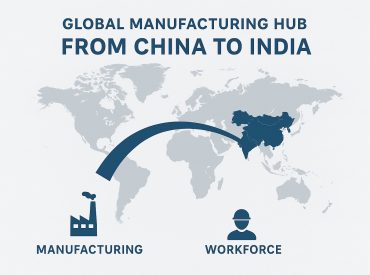
For global OEMs, India is no longer just a manufacturing alternative under China+1 strategy, but a critical node in the supply chain, with real trust being placed in its capabilities.
Apple has evolved its presence in India from assembly to autonomy. With Tata acquiring Wistron's iPhone facility, Apple now trusts local partners to manage full-scale production of its latest models - marking India as a core node in its global manufacturing web.
GE Aerospace is co-developing advanced technologies - not just sourcing components. Over 5,000 engineers in Bengaluru work on jet engine design, thermal systems, and digital twins. This is high-value R&D, not low-cost outsourcing.
Boeing is using India as a strategic export hub. Its 43-acre parts center near Bengaluru supports global logistics, while partnerships with HAL and Rossell Techsys deliver precision components and defense-grade assemblies.
ABB has positioned India as an export powerhouse. Its Bengaluru smart factory ships automation systems to 75+ countries, with Indian-made components now embedded in ABB's global product line - a testament to quality, scale, and reliability.
These examples reflect a clear shift: OEM sourcing from India is no longer experimental. It's strategic, trusted, and growing fast, leading to India’s manufacturing growth.
Strategic Drivers Behind the China+1 Shift - Why India Now?
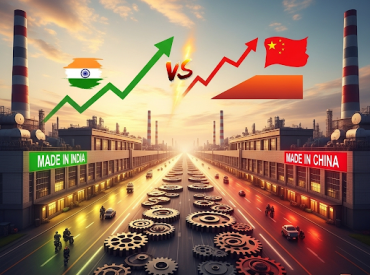
What began as a reactive supply chain hedge is now a deliberate long-term pivot for global OEMs. Behind closed doors, C-suites aren't just asking, "Where's the next best factory or why source from India?" They're asking, "Where can we rebuild our value chain without geopolitical risk, overdependence, or IP uncertainty?" More and more, the answer is pointing to India - not by a default China+1 strategy, but how India is rising and opening doors.
Boardroom Risk Models Now Prioritise Redundancy Over Just-in-Time
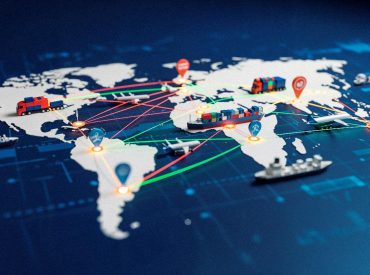
Gone are the days when lean meant optimal. COVID-19, chip shortages, and the Red Sea disruptions exposed how fragile "just-in-time" models really were. Today's supply chain heads are building for "just-in-case" capacity. And India offers that geographic and political offset without the unpredictability seen in other emerging hubs.
China's Growing Middle-Income Trap Is Real and OEMs Feel It
China's input cost story is no longer about labor alone. Power shortages, property debt spillovers, and local protectionist policies are quietly pushing multinationals to diversify. India, while not friction-free, offers lower base costs, a young workforce, and fewer restrictions on profit repatriation or foreign control in most sectors.
Data Sovereignty and IP Safety Are Not Optional Anymore
For OEMs in semiconductors, defense, medical tech, and aerospace, IP integrity is make-or-break. India's legal frameworks, including enforceable contracts and WTO-aligned IP laws, are seen as safer ground compared to opaque regulatory environments elsewhere.

India's Evolving Manufacturing Ecosystem
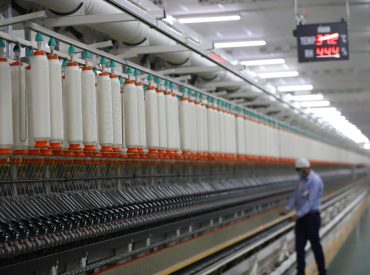
India's manufacturing growth has been fueled by government policies, infrastructure upgrades, and digital advancements, making it a top destination for OEM sourcing in India.
Policy support: The "Make in India" initiative and PLI schemes attract global OEMs by offering incentives to set up manufacturing units in the country.
Infrastructure improvements: Enhanced logistics, transport, and port facilities lower operational costs, making India an attractive hub for OEM sourcing in India.
Digital transformation: The country's push for smart manufacturing and AI integration improves production scalability. Furthermore, it is positioning the country as a competitive alternative for OEMs seeking advanced manufacturing solutions.
Skilled Workforce: India's expanding pool of skilled labor, particularly in high-tech manufacturing and engineering sectors, supports specialised production needs. It is another reason why global OEMs are prioritising India in their China+1 strategy.
Category-Wise Shifts Happening Now
| Sector | Key Companies | Growth Highlights |
|---|---|---|
| Electronics | Apple, Samsung | Expanding production and shifting focus to India for cost efficiency and scalability. |
| Automotive | Ford, Hyundai, Toyota | Increasing manufacturing and R&D activities to tap into both local and export markets. |
| Pharmaceutical | Sun Pharma, Dr. Reddy's, Cipla | Scaling production of generics to meet global demand, reinforcing India's pharma leadership. |
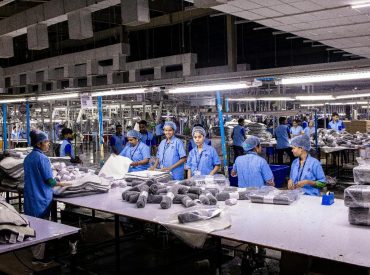
| Textiles | H&M, Zara, Adidas | Shifting supply chains to India due to lower costs and strong manufacturing capabilities. |
India's Policy Push for Exports - From Incentives to Infrastructure
Unlike short-term sops seen elsewhere, India's export push is rooted in building systemic advantage. It's laying the groundwork for long-term export competitiveness and making itself indispensable for OEM sourcing.
Production-Linked Incentives (PLI)
The PLI schemes are reshaping key sectors like electronics, automotive, and pharmaceuticals. These incentives are tied to real output, not just investment promises - attracting serious players who plan to build for the long haul.
Trade Deals in Motion
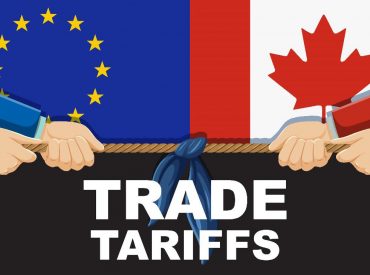
India is actively negotiating FTAs with the EU, UK, and Gulf countries. These aren't just diplomatic wins - they're crucial for reducing tariff barriers and giving OEMs a smoother runway to global markets.
Strengthening the Backbone
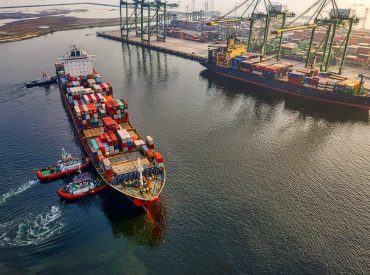
From faster ports and freight corridors to GST reforms and a unified digital payments stack, India is building what global manufacturers need most: consistency, clarity, and speed. Together, these moves signal more than just policy support - they show India is aligning itself with the pace and precision of global supply chain demand.
Why Early Movers Will Win Big
OEMs sourcing from India are now setting themselves up for long-term success. By getting in early, companies can secure strong local partnerships, take advantage of government incentives, and adapt quickly to India's manufacturing growth.
This early move gives them a head start in streamlining production and developing a skilled workforce. Delaying entry could mean losing out on cost savings and market advantages that early movers will benefit from as India solidifies its role in global supply chains.
Are You Ready to Stay Ahead in the Competitive Global Market?
With India's manufacturing ecosystem rapidly evolving, now is the time for your company to benefit from OEM sourcing in India. At Refteck, we can help streamline your sourcing strategy and ensure you stay ahead in the competitive global market. Reach out today to discover how we can make your transition smooth and cost-effective.

Post-pandemic Recove...

Oil and Gas Procurem...

Supporting Global De...
A Premier Engineerin...