
Navigating India’s Manufacturing Ecosystem and Supplier Network for Maximum Efficiency
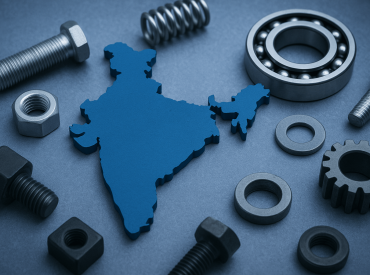
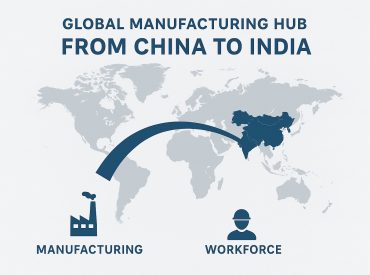
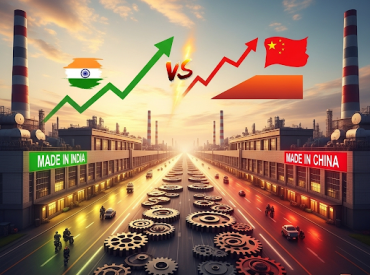
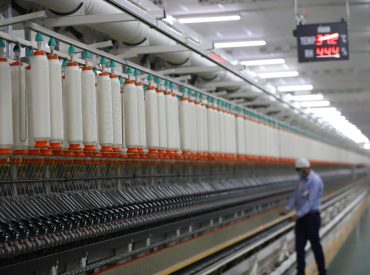
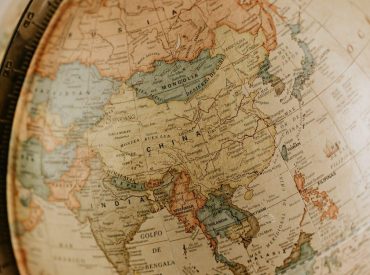
India's manufacturing sector has rapidly gained momentum and is now a global leader, providing a viable alternative to China and constituting one of the first preference destinations for foreign investments. This has become possible because of India's skilled workforce and young, dynamic population. Of course, the Indian government is highly appreciated for creating an environment conducive to business growth. A series of strategic initiatives have considerably improved the competitiveness and attractiveness of India's manufacturing sector. Among those are critical government-led programs and reforms that have been instrumental for growth in India's manufacturing ecosystem.
- Make in India
- Production Linked Incentive (PLI) Scheme
- National Capital Goods Policy
- Ease of Doing Business Reforms
- Technology Upgradation Fund Scheme (TUFS)
- National Manufacturing Policy
- Atmanirbhar Bharat Abhiyan (Self-Reliant India Initiative)
- Simplifying administrative procedures
- Reducing red tape
- Introducing digital platforms for seamless business operations and more.
The Role of Suppliers in India's Manufacturing Success
Suppliers form the backbone of manufacturing, from raw materials to technology solutions. The right type of supplier is crucial for streamlining any operation. India has an extensive and disparate supplier network ranging from large-scale manufacturers to small and medium enterprises that may specialise in niche products. Choosing the right suppliers is knowing which ones have the capacity, reliability, and suitability in line with your business objectives. This is crucial where regulatory, infrastructural, and natural resource differences may challenge suppliers' performance in regions.Navigating the Supplier Network for Maximum Efficiency
To navigate the supplier network for maximum efficiency, it's best to understand the challenges involved first. So, below, we have listed a few challenges:Infrastructure Bottlenecks:
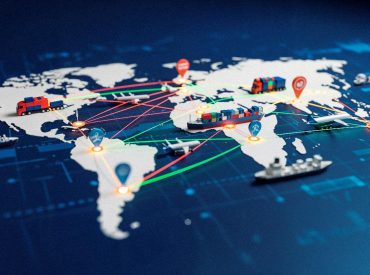
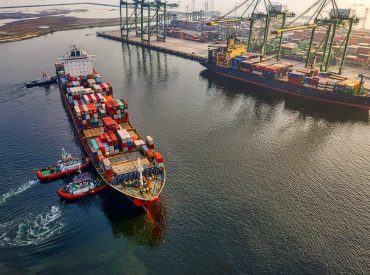
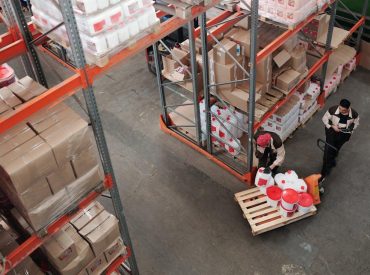
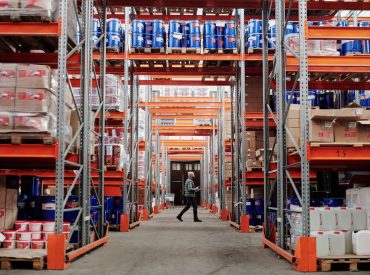
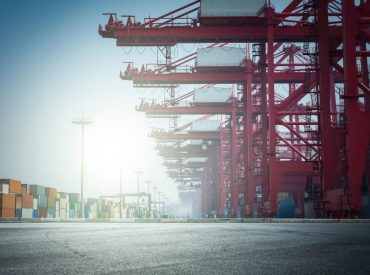
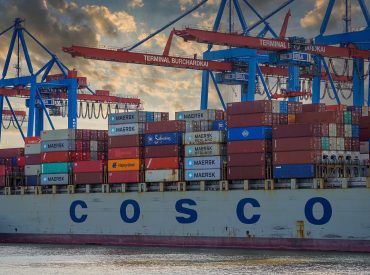
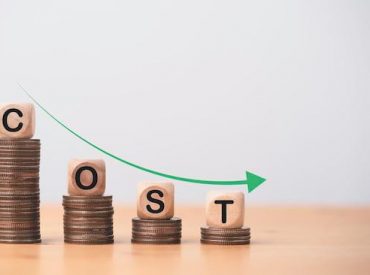
For ages, India's infrastructure acted as a hurdle to its development and posed challenges, including inadequate transportation networks and outdated warehousing facilities. Poor road conditions, congested ports, and limited cold storage capacities hinder the seamless movement of goods, leading to delays and increased costs.Fragmented Logistics Ecosystem:
The Indian logistics industry is rather fragmented, with intermediate layers of the supply chain. This usually leads to inefficiency, communication breakdowns, and longer lead times.Regulatory Complexity:
India has fairly complex and bureaucratic regulatory landscapes that challenge operations within the supply chain. Managing compliance requirements, tax regulations, and customs procedures can be time-consuming and may require specialised knowledge.Inventory Management Challenges:
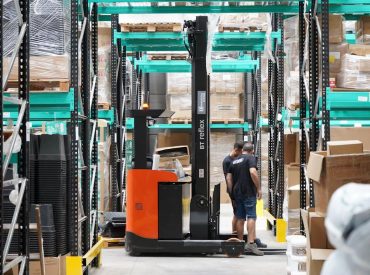
Demand forecasting and inventory management constitute complex tasks, mainly because of the variety of consumers present across the region. Advanced analytics and sound knowledge of local market dynamics are required to avoid overstocking or stockout troubles.Skilled Labor Shortages:
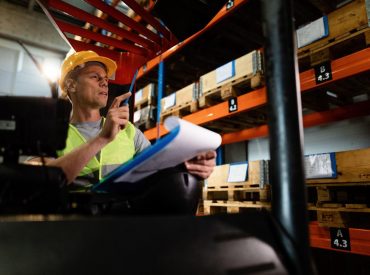
The availability of skilled labour, particularly in logistics and warehousing, still presents a significant challenge. Such shortages may eventually affect the efficiency of supply chain operations from order fulfilment to last-mile delivery.Key Steps to Optimise Your Supplier Network in India
Now come the practices adopted by the business to optimise the supplier network in India:Adopt Integrated Supply Chain Management
A fragmented supply chain can lead to inefficiencies and increased costs. By adopting integrated supply chain management (SCM) software and tools, manufacturers can improve coordination between suppliers, logistics providers, and other partners. Integrated platforms provide real-time visibility into the entire supply chain, allowing businesses to track products, monitor inventory, and optimise routes. Using cloud-based solutions can also streamline communication and facilitate better decision-making, ensuring that all stakeholders have access to the same information at any given time.Collaborate with Local and Global Suppliers
Building strong relationships with both local and global suppliers can provide manufacturers with flexibility and a competitive edge. Local suppliers offer the advantage of shorter lead times and lower transportation costs, while global suppliers may offer specialised expertise or unique materials that cannot be sourced domestically.Embrace Automation and Technology
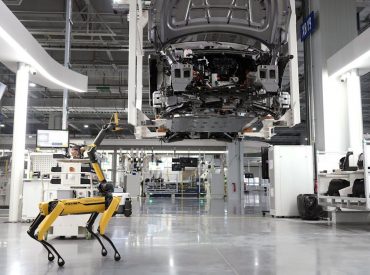
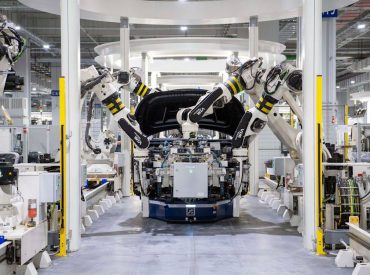
As technology continues to reshape industries, manufacturers should consider investing in automation and advanced manufacturing technologies. The integration of robotics, AI, and machine learning into the manufacturing process can significantly enhance productivity, reduce human error, and improve quality control For instance, AI-powered demand forecasting tools can predict shifts in consumer demand, while automation in warehouses can improve the speed and accuracy of inventory management.Focus on Sustainability and Green Practices
Sustainability is emerging as an important area in the Indian manufacturing sector. With consumers and governments alike increasingly seeking greener practices, companies that prioritise sustainability will be better positioned to thrive in the future.Invest in Workforce Training
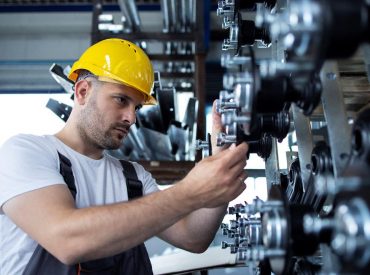
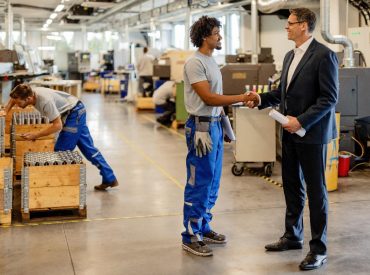
Employees constitute the driving force behind the success of any business. Ensuring that employees are adequately trained in modern manufacturing techniques and logistics systems raises efficiency across the supply chain.
Why Choose Refteck?
Data Analytics for Informed Decision-Making:
Every client project at Refteck is founded on thorough research. Through data analytics, we provide actionable insights that enhance demand forecasting and optimise supply chain efficiency.We have a vast Supplier Network for Maximum Efficiency:
We have been in business for years and have a trustworthy client base. This has become possible because of the vast supplier network that helps us find the best deal for clients to maximise efficiency. So, contact our experts to explore the amazing opportunities you can grab to enhance your production.
Post-pandemic Recove...
Apr 6, 2021

Oil and Gas Procurem...
Apr 25, 2021

Supporting Global De...
Jun 7, 2021
A Premier Engineerin...
May 20, 2022

A Comprehensive Guid...
May 24, 2022