
Risk Management in International Procurement – Protecting Your Global Supply Chain
Global procurement in 2025 faces unprecedented risks, challenging traditional supply chain models. Disruptions like the Suez Canal blockages and trade policy shifts are no longer anomalies but a new reality.
To stay competitive, international procurement companies must rethink risk as a strategic lever shaping sourcing and decisions. Today’s international procurement process requires agility, anticipation, and real-time intelligence.
In this blog, you will explore how global procurement strategies can address key threats and turn them into opportunities to stay ahead in an uncertain world.
2025’s Top Emerging Threats to Global Supply Chains
International procurement is facing one of its most volatile periods in recent history. Leaders can no longer afford to treat disruption as an occasional anomaly. It is now being considered as the new operating norm. Read ahead to know the dominant threats shaping procurement risk in 2025:
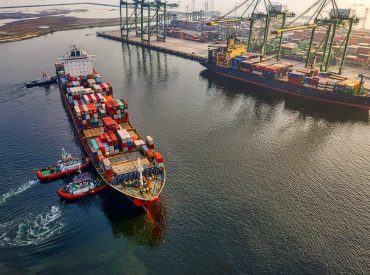
Geopolitical FlashpointsEvents like the Red Sea maritime attacks and sustained tensions around Taiwan have forced the rerouting of cargo and reshuffling of supply priorities. These aren't isolated incidents - they signal a longer-term shift in global procurement strategies.
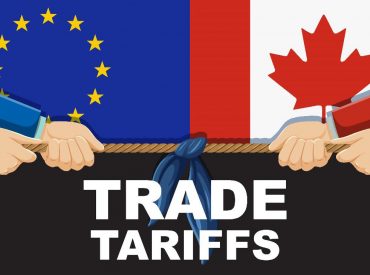
Trade Policy VolatilityThe reclassification of goods under new tariff codes, especially in strategic tech categories, is upending sourcing plans. Connector countries like Vietnam and Mexico now face added scrutiny for being re-export hubs. This is forcing international sourcing companies to rethink routing and documentation.
Climate Disruptions and Labor InstabilityFlash floods are disrupting key transport routes, while strikes at major ports are halting the movement of goods. These environmental and workforce-related risks now overlap, leading to unexpected delays and cost spikes in international procurement.
Cybersecurity ThreatsWith digital procurement platforms and cloud-based tools becoming essential, cyberattacks have become a significant threat. Cybercriminals are increasingly targeting procurement systems to steal sensitive data or cause disruptions in global supply chains.
Building a Geopolitical Risk Mitigation Framework
Your supply chain is only as strong as its weakest tier, and for many companies, that means understanding Tier 2 and Tier 3 suppliers. Mapping these sub-tiers across high-risk regions is a foundational step in international procurement management.
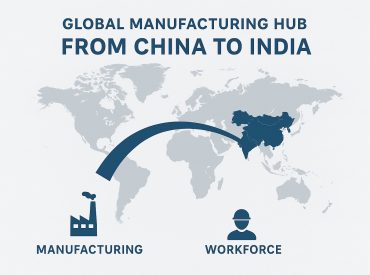
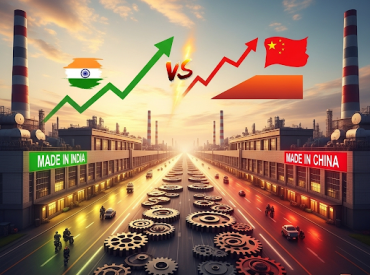
“China +1” sourcing has matured into full-fledged diversification strategies to reduce overdependence. For instance, Mexico and India are gaining ground for low-cost manufacturing and geopolitical insulation. However, keep in mind that sourcing isn't just about shifting factories - it requires parallel moves in contract strategy.
Today’s contracts need clear backup plans that automatically kick in during events like sanctions, port closures, or political upheaval. A vague “force majeure” clause buried in legal language is not enough. Procurement teams need straightforward terms they can quickly act on when things go wrong.
Managing Climate Risks in Procurement
Climate risk used to be a future issue, but now it is a line item in real-time operations. International procurement companies must go beyond CSR checklists and start treating climate as a disruptor.
Supplier site assessments are critical, so look into whether your supplier’s warehouse lies in a floodplain. Or do they have fire mitigation infrastructure? These questions need to be asked upfront, not after a delay occurs.
For some businesses, nearshoring has emerged as a viable response. By moving production closer to key consumer markets, companies can sidestep increasingly volatile sea routes and build agility into their network.
You also need to have a parallel focus on carbon reporting. Forward-looking international procurement management teams now ask suppliers to report Scope 3 emissions. They are often verified through platforms like EcoVadis. It is not just for sustainability but to meet tightening regulations and protect brand reputation.
Combatting Trade Policy Volatility
With new tariffs surfacing overnight, proactive tariff engineering is gaining relevance. By adjusting component ratios or altering the final assembly location, companies can reclassify goods under less punitive HS codes both legally and strategically.
Additionally, Free Trade Zones (FTZs) allow companies to defer duty payments until goods reach their final destination. This is a crucial tactic when navigating unpredictable customs regimes, particularly in fast-moving industries like electronics or apparel.

Strengthening Cybersecurity in Digital Procurement
As procurement becomes increasingly digitised, it is also becoming a bigger target. Modern international procurement platforms must adopt zero-trust architecture, requiring strict authentication protocols, often biometrics.
The use of blockchain for securing customs records or validating ethical sourcing is also growing. It is not because it is trendy but because it is tamper-proof. Furthermore, international procurement algorithms should also be regularly audited, particularly when they affect supplier diversity or ESG scoring.
Collaborative Risk Management - Strengthening Global Supply Chains
In today’s global market, managing risks is no longer something any company can handle alone. Collaborative risk management is the key to resilient global supply chains.
Partnering with SuppliersCompanies are co-investing in high-risk areas with international procurement suppliers. This strengthens partnerships and reduces vulnerabilities.
Industry CoalitionsBusinesses are joining industry groups to secure critical resources and share disruption insights. This collective approach helps mitigate risks together.
Leveraging Trade AgreementsFrameworks like USMCA or CEPA help companies navigate complex regulations, speeding up dispute resolution and customs processes - vital for smooth international sourcing.
Shared Technology & Data PlatformsCollaborating via shared technology platforms allows real-time monitoring of disruptions, fostering a transparent, agile procurement strategy across supply chains.
Joint Risk Management TrainingCompanies are also teaming up for joint training on risk identification and crisis management, aligning procurement teams on how to address challenges effectively.
The Bottom Line
It’s no longer enough to know the risks. The question now is: can your procurement operation move fast enough and smart enough to stay ahead?
In an era of constant disruption, your international procurement strategy must go beyond reactive measures. Whether dealing with geopolitical tensions, climate risks, or labor instability, proactive, agile decision-making is key to maintaining your competitive edge.
At Refteck, we understand that navigating these complexities is a challenge. That is why we offer cutting-edge tools and expert guidance to help you build a resilient global procurement strategy.

Post-pandemic Recove...

Oil and Gas Procurem...

Supporting Global De...
A Premier Engineerin...