
Meeting Global Standards: How Indian Manufacturers Adhere to Quality and Compliance Regulations
Starting a business in India allows many global companies to increase their profit margins by getting economical labour and low-cost office space.
Because of this cost advantage, India is a desirable location for international businesses seeking to optimise their return on investment.
But with that also comes many challenges, particularly related to compliance risks. Because of India's complicated regulatory framework, companies have to deal with various federal and state legislation, labour laws, environmental requirements, quality certifications, and intellectual property rights.
There are severe consequences, legal issues, and reputational harm associated with breaking these rules.
In this blog guide, we will talk about how Indian manufacturers navigate the maze of regulations addressing concerns around quality control.
Certifications and adherence in Indian manufacturing
In today's globalised market, safety standards and certifications are paramount for manufacturers, no matter which country they belong to. If we talk about Indian manufacturers, there is no doubt in the fact that they are completely focused on meeting international standards to improve their global competitiveness through:
Certifications:
Certifications offer a tangible guarantee of a manufacturer's dedication to environmental responsibility, safety, and quality. This indicates that a manufacturer's systems, products, and processes have undergone a thorough evaluation and satisfy particular industry requirements. The following are a few of the most prevalent certifications in Indian manufacturing:
- ISO 9001: Ensures a consistent quality management system.
- ISO 14001: Shows seriousness on environmental management.
- OHSAS 18001: Its core concentration is the occupational health and safety.
- IATF 16949: Quality management systems specification for automobile industry.
Compliance:
Another essential component of Indian manufacturing is adherence to national and international laws. To keep a good reputation and stay out of trouble with the law, one must abide by labour rules, environmental regulations, and intellectual property rights.
The benefits of partnering with certified and compliant manufacturers are:
- Improved product quality
- Better relationship with customers
- Access to global markets
- Improved customer satisfaction
Indian manufacturers may establish themselves as dependable and trustworthy partners by emphasising certifications and compliance. This would draw in international companies and help India's manufacturing capabilities improve.
Understanding the Indian regulatory landscape
India's manufacturing is subject to complex interlocking webs of central and state-level regulations. While central governments like Commerce and Industry, Labour and Employment
and Environment, Forestry, and Climate Change have significant roles to play in forming national standards and policies, a huge regulatory role also falls under state governments in areas of labour laws, factory regulations, and environmental clearances.
Different industries in India operate under specific regulatory frameworks. For example:
- Pharmaceutical: The production, distribution, and sale of medications and cosmetics are governed by the Drugs and Cosmetics Act and Rules.
- Textile: The standards for textile product quality and uniformity are governed by the Textile Committee Act and Rules.
- Automotive: The Central Motor Vehicles Rules and the Automotive Industry Standard (AIS) govern the safety requirements and vehicle manufacturing.
Now, moving forward, let's talk about how foreign companies leverage the wide benefits from the way Indian manufacturers comply with safety standards.
Steps Indian manufacturers take to comply with international standards and compliance regulations

Indian manufacturers play a very important role in global supply chains. They adhere to international standards and compliance regulations so that the products compete in the marketplace and do justice to the expectations of customers worldwide by embracing tough processes and innovative strategies.
These are the steps they take toward compliance:
Understanding and implementing standards:
Manufacturers start with an in-depth knowledge of the international norms to which their industries might be subjected-could be ISO, CE, RoHS, or REACH. Training programs for their teams would ensure that they understood the requirements and the implications thereof. Such a base will help in aligning their processes and products with the required guidelines.
Upgrading infrastructure and technology:
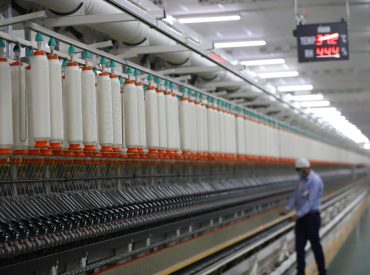
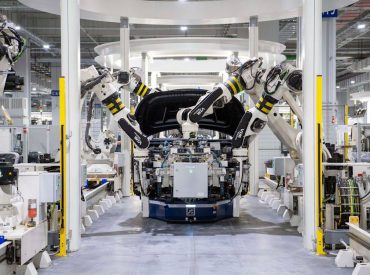
To gain compliance, manufacturers usually engage in the upgrading of their infrastructural machinery and technologies. The process of modernisation will ensure they swiftly meet the quality requirements so as to minimise waste and errors. For example, modern production lines with automated quality checks allow for quality control during production.
Investing in employee training:
Trained employees ensure compliance. There is frequent training courses held to update the workforce with the latest international standards and technological advancement. It thus inspires employees to contribute to your compliance goals.
Establishing complete documentation:
International standards require heavy documentation. The Indian manufacturer keeps proper records, fills the certificates based on the quality control of their operations. This is as per compliance auditing and helps gain confidence amongst global business partners and customers.
Partnering with compliance experts:
Numerous Indian businesses work with consultants and specialists who specialise in international standards. These collaborations guarantee that manufacturers remain ahead of regulatory changes by offering insights into dynamic compliance environments.
Focusing on sustainability:
With these environmental concerns growing, manufacturers integrate green-friendly practices into the course of their business. The use of recyclable materials or their adherence to environmental standards, such as ISO 14001, ensures that the green requirements are met.
Such strategic steps make Indian manufacturers commit themselves to the production of world-class products. Their proactive stand does not remain confined only to compliance but elevates them as a reliable global supplier also. Such commitment towards quality coupled with adherence to standards elevates them to the mainstream of international trade.
The future of Indian manufacturing
Indian regulations for foreign companies are quite complex, thus a company needs to be proactive about potential audit risks. Such can best be accomplished by establishing robust internal controls, staying local regulation compliant, and using technology to monitor and report continuously.
Adhering to regulatory requirements and industry standards ensures that the manufacturer has mitigated risks and prevented potential legal ramifications. Moreover, a good reputation and general trust from stakeholders are gained through such adherence. If you want your company to be sure that the right industrial goods and services arrive safely at the right location and at the right time, reach Refteck Solutions now.
At Refteck Solution, we are people who practice quality and process improvement as our processes are accredited to the ISO 9001: 2015 standard.

Post-pandemic Recove...

Oil and Gas Procurem...

Supporting Global De...
A Premier Engineerin...