
Rethinking Outsourcing: How India is Challenging China’s Dominance in Manufacturing
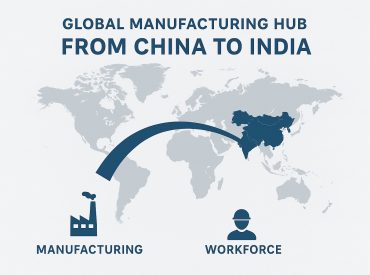
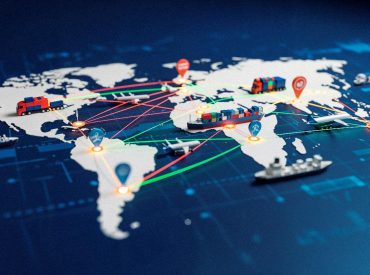
China transformed the world's manufacturing base in the 1990s and early 2000s, becoming the global manufacturing hub. Companies were drawn to its low prices, huge labour pool, and streamlined production techniques. But behind this dominance, cracks have started to appear.
Increasing prices, geopolitical tensions, and uncertain supply chain disruptions are compelling companies to rethink their dependence on Chinese manufacturing. Read ahead to understand how dynamics are changing globally and how India is emerging not just as a backup option, but as a serious manufacturing powerhouse.
China’s Manufacturing Supremacy: Why It’s Being Challenged
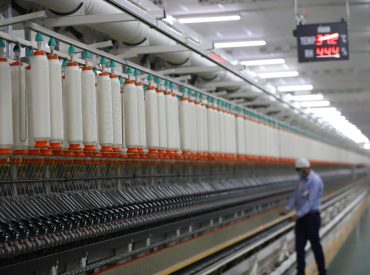
China's dominance didn't happen overnight. By offering affordable labour, efficient infrastructure, and extensive supplier networks, it became the “world’s factory.” According to data, China held about 31 percent of world manufacturing production back in 2022.
Why Businesses Are Rethinking China
Labour costs are rising: Chinese wages have climbed steadily over the years, narrowing the cost advantage.
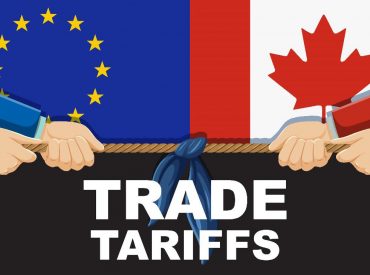
Trade tensions are escalating: The US-China trade war and other global disputes have made businesses nervous about relying too heavily on Chinese manufacturing.
Pandemic-driven disruptions: COVID-19 exposed the vulnerabilities of centralised supply chains, creating delays and shortages worldwide.
This combination of factors has pushed businesses to rethink their strategies - and look out for alternatives to reduce their dependence on China.
China Plus One: The Strategy Reshaping Global Manufacturing
As businesses face mounting challenges in relying solely on China, a strategic shift is taking place. Companies are now adopting the 'China Plus One' approach, a proactive move to mitigate risks and build more resilient supply chains.
Why Businesses Can No Longer Afford to Rely Solely on China
When China's factories shut down during the pandemic, businesses worldwide faced harsh lessons about supply chain vulnerability. Suddenly, relying on a single manufacturing giant seemed far too risky. Alongside, rising wages in China, coupled with ongoing trade disputes, are only reinforcing the need for change.
How Manufacturers Are Shifting Production to Mitigate Risks
The "China Plus One" strategy has gained traction and it does not mean completely avoiding China. Instead, companies are focusing on diversifying manufacturing while keeping some production in China while expanding elsewhere.
With this in mind, many companies are retaining their main operations in China while shifting simpler, labour-intensive processes to lower-cost countries. By implementing the transition gradually, companies are looking to minimise disruption and keep production steady without taking significant risks.
The Role of Emerging Economies in Supply Chain Diversification
Countries like Vietnam, Mexico, India, and Indonesia are becoming suitable for this diversification because they have:
- Lower labour costs compared to increasing China wages.
- Enhanced infrastructure enabling effective trade and logistics.
- Economic reforms made proactively with the aim to attract foreign investments.
India is especially gaining momentum because of its educated workforce, government incentives, and expanding industry base.
India’s Rise as a Global Manufacturing Powerhouse
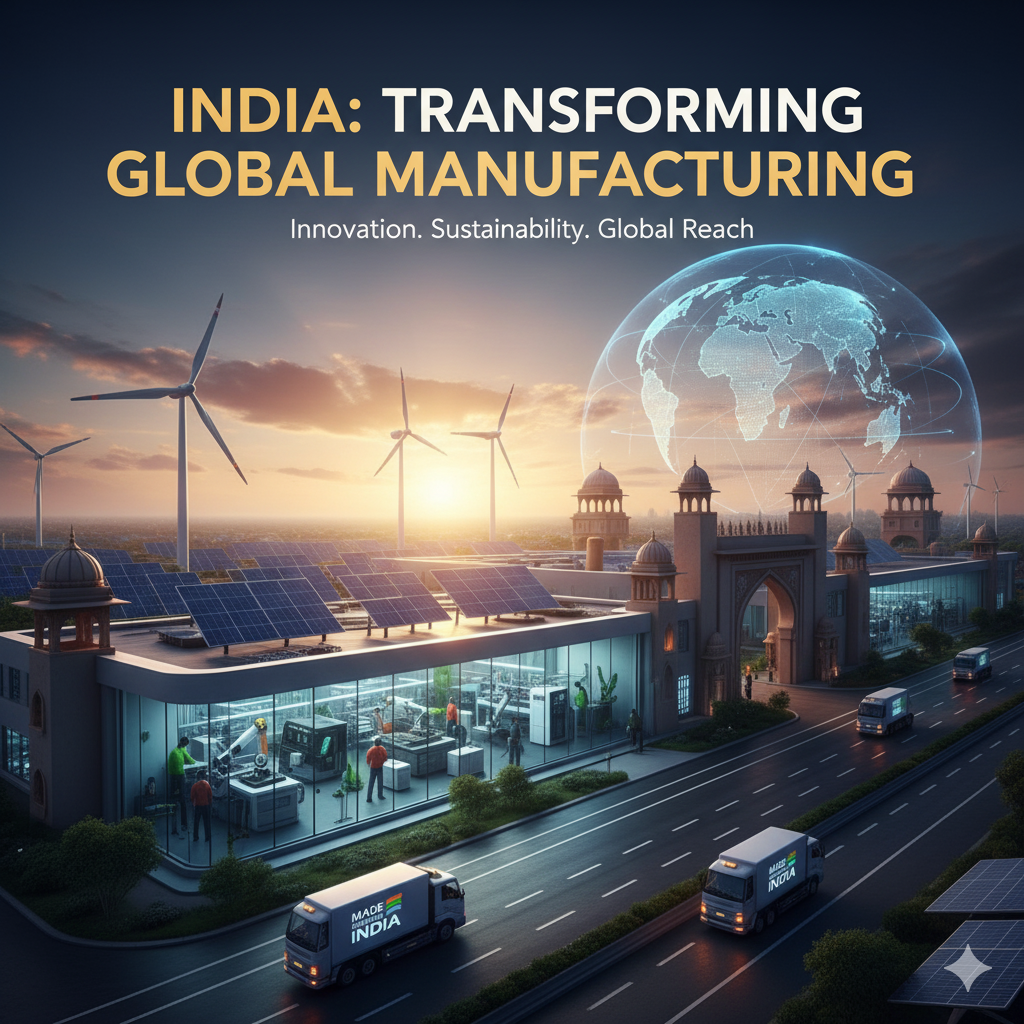
India's manufacturing growth is no coincidence; it's driven by strategic initiatives, infrastructure improvements, and technological advancements. Here's how India is positioning itself as a manufacturing powerhouse:
Government Initiatives Driving Growth
- Make in India: Launched in 2014, this program encourages foreign investment and supports domestic manufacturing.
- Production-Linked Incentives (PLI): These schemes provide financial incentives for businesses investing in sectors like electronics, pharmaceuticals, and automobiles.
Infrastructure Development and Reforms
India has heavily invested in upgrading its infrastructure. Ports, highways, and industrial corridors are being modernised to streamline logistics. As a result, India climbed to 38th position in the World Bank’s Logistics Performance Index in 2023. Additionally, reforms such as the Goods and Services Tax (GST) have simplified tax structures, improving ease of doing business.
Digital Transformation and Industry 4.0 Adoption
India is rapidly embracing automation, smart factories, and digital tools to enhance manufacturing efficiency. This modernisation is helping India move beyond low-cost labour advantages and develop high-tech production capabilities.
India vs. China: A Side-by-Side Manufacturing Comparison
Deciding between India and China isn't only about price - companies are now thinking about long-term stability, scalability, and innovation. Here is a comparative overview:
| Factor | India | China |
|---|---|---|
| Labour Costs | $1.72/hour | $6.50/hour |
| Material Costs | Competitive rates and lower import duties | Higher due to rising wages and material inflation |
| Infrastructure | Expanding network of ports, roads, and logistics hubs | Well-established but facing congestion in key hubs |
| Technology Adoption | Increasing investment in automation and AI | Advanced with widespread adoption in manufacturing |
| Tax Incentives | Strong financial incentives for investors | Limited new incentives as costs rise |
| Sustainability Focus | Increasing adoption of eco-friendly practices | Less emphasis on sustainable production |
With these developments, India is emerging as an attractive option for companies looking for stable and scalable production options. Furthermore, this diversification strategy is helping companies to reduce risks while opening up new growth prospects.
Challenges and Opportunities in Transitioning from China to India
Shifting manufacturing from China to India is a promising move, but it’s not without obstacles. Here are the challenges businesses face when making this transition:
- Complex Bureaucracy: Despite ongoing reforms, regulatory processes can feel slow or complicated at times.
- Infrastructure Gaps: While major cities have improved connectivity, some remote areas still struggle with logistical delays.
- Skilled Labour Gaps: India’s workforce is vast, but certain manufacturing industries still need more specialised skills.
- Cultural and Operational Differences: Shifting from China’s fast-paced factory environment may require adjustments in work culture and processes.
India is Actively Addressing These Concerns By:
- Simplifying approval processes to speed up foreign investments.
- Investing heavily in infrastructure upgrades, especially in the road network, ports, and digital connectivity.
- Increasing vocational training programs to provide workers with skills in advanced manufacturing.
- Developing its startup ecosystem, fostering innovation and entrepreneurship to drive manufacturing growth.
Success Stories: Businesses Thriving Under China Plus One
India’s manufacturing landscape is attracting big names, with several companies seeing impressive growth:
Toyota Kirloskar Motors has added capacity to its Karnataka plant to increase hybrid car production. The company, by doing so, not only fulfills the increasing demand in India but also makes it possible for exports, enabling Toyota to serve both Indian and foreign markets.
In the same way, Nestlé has made major investments in enhancing its factories. These upgrades have enhanced the efficiency of production and supply chain stability. In return, Nestlé is capable of addressing growing consumer demand and operating more smoothly with the increasing changes in the global supply chain.
Concurrently, Samsung Electronics has turned its Noida plant into one of the world’s largest smartphone production hubs, with an annual capacity of roughly 300 million devices. This expansion reflects Samsung’s trust in India’s skilled workforce and cost-effective production capabilities.
The Future of Outsourcing: Can India Truly Replace China?
While India is gaining ground, replacing China entirely isn’t on the horizon. China's integrated supply chains and advanced infrastructure still offer advantages. Nevertheless, India's rapid growth and rising demand for diversified supply chains make it a key player.
Rather than focusing on replacing companies should strategically balance both markets to minimise risks and enhance resilience. Companies that include India in their supply chain strategy can enhance risk management and enhance their global presence.
For expert guidance in exploring India’s manufacturing potential and diversifying your supply chain, consult Refteck Solutions - specialists in helping businesses unlock growth opportunities with tailored strategies.

Post-pandemic Recove...

Oil and Gas Procurem...

Supporting Global De...
A Premier Engineerin...