
Manufacturing Expertise in Key Industries: Why India is the Go-To for Specific Sectors
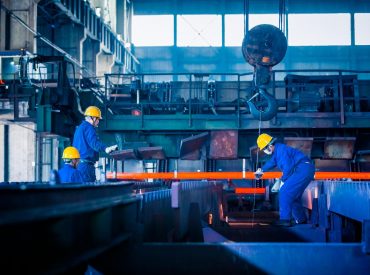
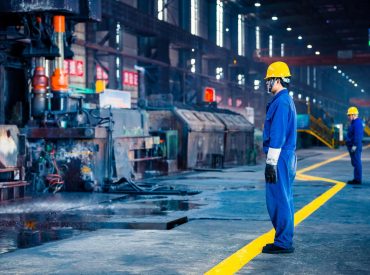
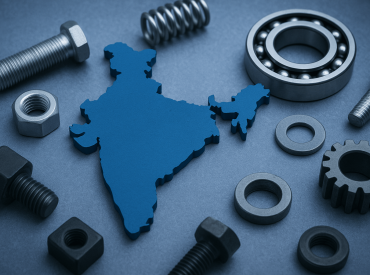
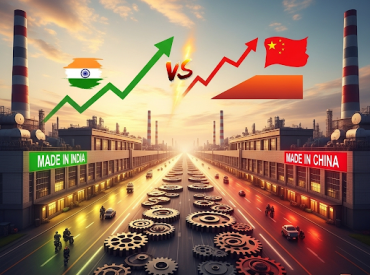
The Indian manufacturing sector is at the threshold of becoming one of the sectors with the fastest growth in the world. For example, the government fully encourages foreign investment and domestic manufacturing through schemes like Make in India.
This indicates that India’s manufacturing sector has witnessed significant growth, attracting numerous companies from diverse industries.
India provides a fantastic proposition to manufacturers, from automobiles and pharmaceuticals to textiles and engineering goods.
A confluence of factors, including a skilled workforce, favourable government policies, and a growing domestic market, has made India an attractive destination for businesses seeking to establish or expand their manufacturing operations.
Let's understand more about it in this blog post.
Reasons why India is considered as a preferred destination for manufacturing
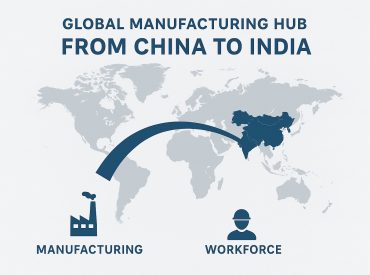
India’s reputation as a global manufacturing hub is driven by the various advantages it offers. These are:
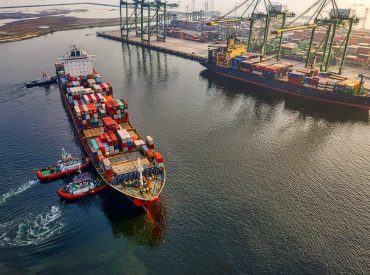
Market size and trained labour: India is a popular choice for foreign investors wishing to engage in the manufacturing industry because of its large market size of over 1.4 billion people and a talented workforce that speaks English well. Furthermore, India's strategic geographical location, combined with its easy access to marine transit and international trade through several ports, makes it an appealing investment opportunity for foreign investors.
A young and dynamic workforce: India has one of the world's greatest young populations, with a sizable number of people aged 18 to 35. This demographic dividend results in a trained and adaptable workforce prepared to handle the needs of modern production.
Government initiatives: The Indian government has adopted several programs to boost manufacturing, including "Make in India," which seeks to attract international investment and create jobs. These measures have simplified rules, decreased bureaucratic barriers, and offered incentives to entrepreneurs.
Economical manufacturing: Compared to other countries, India is more economical for manufacturing goods. The labour is relatively cheaper, and the taxation structure is relatively accommodation-friendly, hence attractive for businesses to reduce costs of manufacturing.
Strong intellectual property protection: India has strengthened its intellectual property rights (IPR) protection system to defend the interests of innovators and enterprises. This has increased investor confidence and boosted R&D activities.
Overall, international manufacturers find India a favourite destination due to its rising economic strength and political stability.
Understanding India’s sectoral strengths
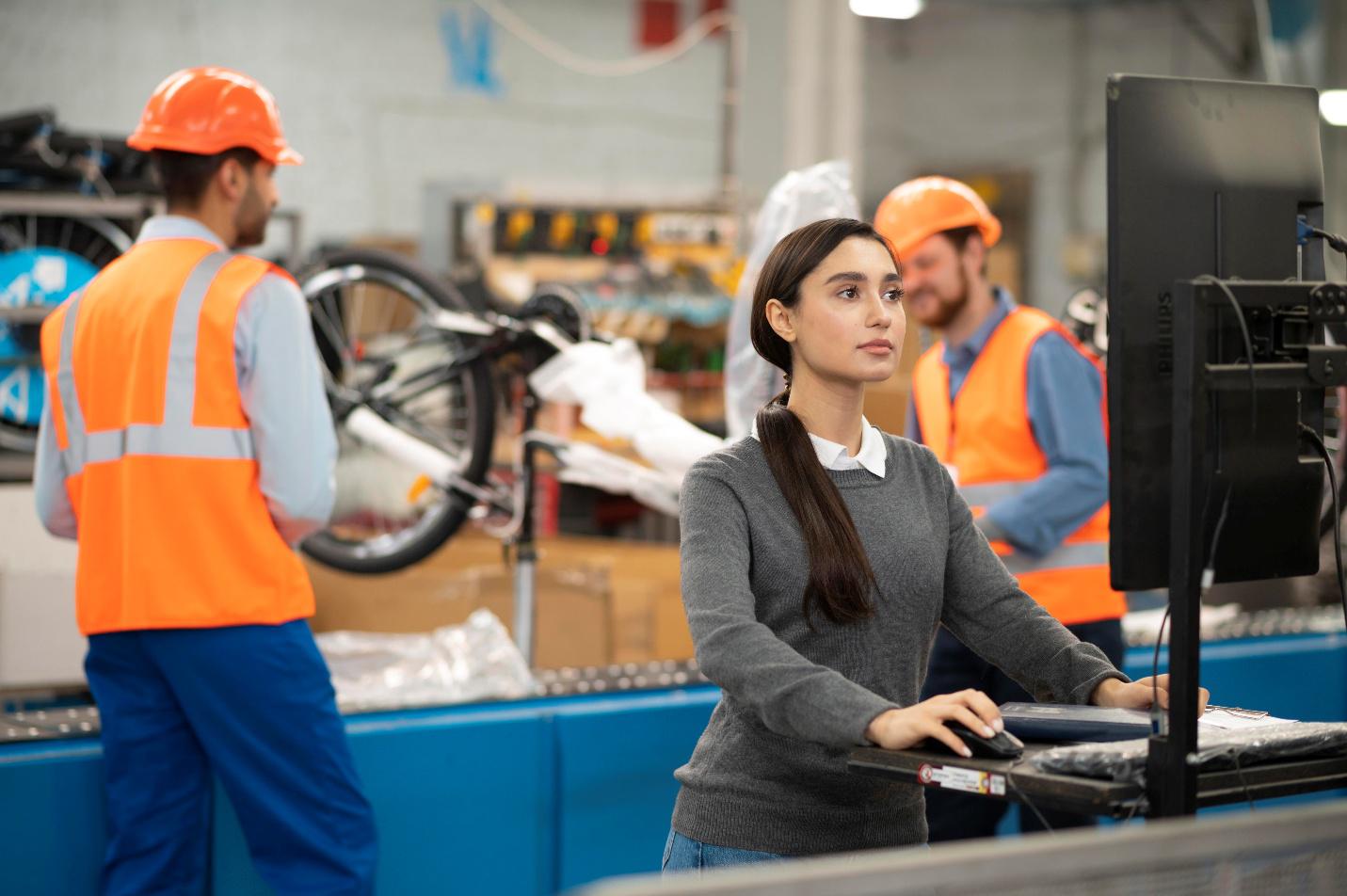
Whenever we talk about India's manufacturing landscape, we know that it is dynamic and is driven by a combination of factors, including a large and growing domestic market, a skilled workforce, government initiatives, and a favourable investment climate.
With its rich history and strategic location, India has emerged as a global manufacturing hub, attracting significant foreign investment and contributing substantially to its economic growth.
At the same time, the Indian manufacturing sector is growing and expanding significantly in critical industries such as automobiles, chemicals, pharmaceuticals, textiles, and electronics.
Let's talk about the key sectors where India's strength can be seen:
- Textile industry:
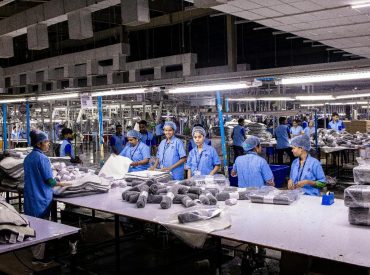
Textiles in India are the most crucial part of the Indian economy, and they have a history that spans centuries. This industry has brought in a world of diversity with handloom and handicraft textiles adorned with intricacies of designs and vibrant colours, ensuring top-quality results. Along with preserving the heritage of tradition, it has undertaken contemporary technology and modern methods to fulfil the demands of the ever-changing international markets.
Key strengths:- India boasts many skilled artisans and workers with expertise in various textile techniques, including spinning, weaving, dyeing, and printing.
- It produces various products, including cotton, silk, wool, and synthetic. It has been dealing with a diversified customer base in the national and international markets.
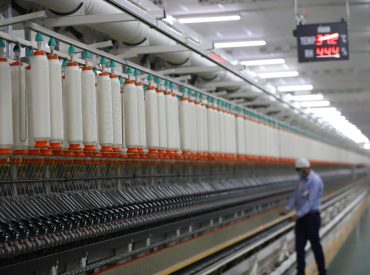
- India boasts a comprehensive textile value chain that includes cotton farming, yarn production, fabric creation, and garment manufacturing. This cohesive strategy facilitates efficient production and helps keep costs low.
- Pharmaceuticals Industry:
India has become a significant player in the international pharmaceutical industry and is well-known for its generic drug-making expertise. A robust regulatory system combined with a large talent pool of skilled workers has made it possible for the nation to manufacture high-quality medicines at affordable costs.
Key strengths:- India is a major manufacturer of generic medications, which are much more affordable than their branded counterparts. This has allowed Indian pharmaceuticals to reach millions of people globally.
- The sector has been making substantial investments in research and development, creating new drugs and treatments.
- India's regulatory agencies guarantee that pharmaceutical products meet quality and safety standards in line with international benchmarks.
- Automotive Industry:
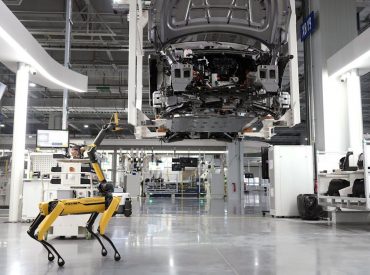
The automotive industry is one of the most rapidly expanding sectors in India. Growth has become continuous, mainly in the past several years, due to increased disposable income, rapid urbanisation, and favourable government policies. It has become an integral manufacturing hub for the domestic and international markets.
Key strengths:- The Indian middle class is increasing, and thus, a sufficient market for electronic products is being formed, thanks to the country's burgeoning middle class.
- The government's few measures to sustain the automotive sector, including incentives in infrastructure, work well.
- India has a strong network of suppliers that offer components and services for the automotive sector.
- Consumer Electronics Industry:
India's consumer electronics sector is experiencing growth fueled by rising consumer expenditure and technological advancements. The nation can emerge as a significant manufacturing centre for electronic products.
Key strengths:- India's affordable labour and streamlined manufacturing methods make it a financially advantageous location for electronics production.
- The expanding middle class in India has increased the demand for electronic devices, presenting a substantial market opportunity.
- The "Make in India" initiative by the government has encouraged domestic manufacturing of electronic products by providing incentives and support.
By leveraging these strengths, India positions itself as a global manufacturing powerhouse.
Conclusion
India's manufacturing sector brings diverse opportunities for growth to foreign and domestic companies. Companies wishing to make the best of their foreign investment must collaborate with a valuable supply chain business like Refteck.
Our skilled team combines advanced technology with specialised expertise to provide clients with an exceptional procurement and supply chain experience. Visit us to learn more.

Post-pandemic Recove...

Oil and Gas Procurem...

Supporting Global De...
A Premier Engineerin...